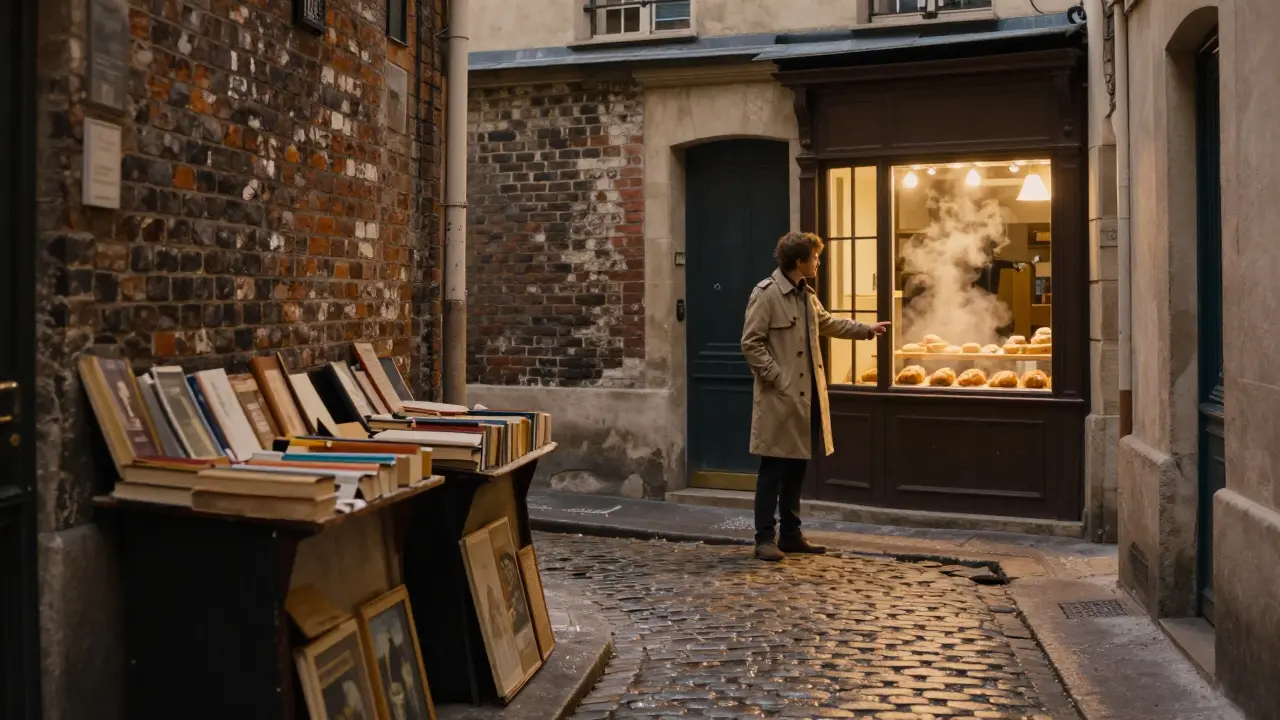
Paris isn’t just the Eiffel Tower, the Louvre, and crowded cafés on the Champs-Élysées. If you’ve been before, you know that. If you’re planning your first trip, you might not realize how much the city hides in plain sight-narrow alleys lined with vintage bookstalls, secret gardens tucked behind 18th-century townhouses, and bakeries that have been making the same croissant recipe since 1923. Most tourists never find them. But with the right guide, you don’t just see Paris-you experience it.
Why a Local Guide Changes Everything
A guide isn’t just someone who knows where to go. They know when to go. They know which corner of Montmartre gets the best morning light for photos without the selfie sticks. They know which boulangerie closes at 2 p.m. sharp, and which wine bar lets you taste three vintages for €12 if you ask for the "house secret."Most tour companies offer scripted itineraries. They stick to the top 10 attractions because they’re safe, profitable, and easy to market. But Paris doesn’t reveal its soul in those places. It reveals itself in the quiet moments-like stumbling upon a tiny chapel in the 14th arrondissement with stained glass that glows gold at sunset, or finding a family-run patisserie where the owner remembers your name after one visit.
That’s why travelers who hire a knowledgeable local don’t just get a tour. They get access. Access to places that aren’t on Google Maps. Access to stories behind the architecture, the food, the art. Access to a city that’s been carefully guarded by its residents for centuries.
Where the Real Paris Lives
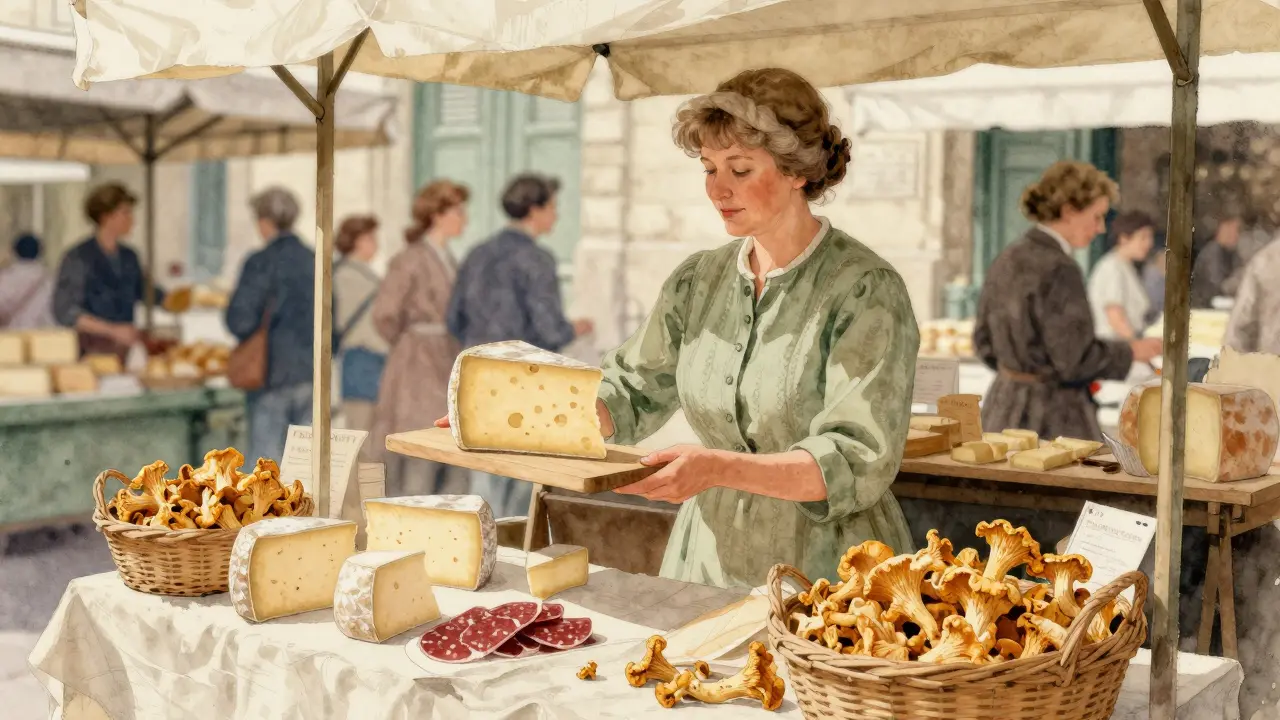
Start in the 11th arrondissement. Most tourists never make it here. But if you walk down Rue de la Roquette after 6 p.m., you’ll find locals sipping natural wine at Le Verre Volé, where the bartender will pour you a glass of Gamay from a vineyard in the Loire Valley you’ve never heard of-and tell you why it’s better than Burgundy. No menu. Just what’s open that day.Then head to the Marché d’Aligre. Not the touristy Marché des Enfants Rouges. This one is where Parisians shop. Vendors sell fresh chanterelles, handmade saucisson, and cheeses aged in cellars under the Seine. Ask for the woman behind the cheese stall-Madame Lefèvre. She’ll let you taste a wedge of Pont-l’Évêque that’s been ripening since last spring. She won’t sell you a thing unless you ask for it by name.
Walk up to the Butte-aux-Cailles. It’s a village within Paris, with cobblestone streets, street art that changes every month, and a bar called La Belle Hortense where jazz plays on vinyl and the owner still serves drinks in glassware from the 1950s. No Wi-Fi. No signs. Just a handwritten chalkboard that says "Vin rouge, 8€."
What Most Guides Won’t Tell You
Many so-called "private tours" are just guides with headsets leading groups of six people through the same spots. Real local guides work differently. They don’t have fixed routes. They adapt. They listen. They notice if you linger in front of a particular shop, or if you’re more interested in architecture than food.One client, a retired architect from Chicago, spent three hours in the Père Lachaise Cemetery-not to see Oscar Wilde’s tomb, but to study the stonework on a forgotten 1870s mausoleum. The guide, a former art historian, pulled out a photo album of restoration projects she’d worked on and showed him the exact technique used to carve the floral reliefs. That’s not a tour. That’s a conversation.
Another client, a food writer from Tokyo, wanted to find the best tartare in Paris. Most guides would have taken her to Le Relais de l’Entrecôte. But the right one drove her 20 minutes outside the city to a small butcher shop in Ivry-sur-Seine, where the owner grinds his own beef daily and serves it on chilled slate with a side of pickled shallots no one else makes. The client paid €45. She called it the best meal of her life.
How to Choose the Right Guide
Not every guide who says they know Paris actually does. Here’s what to look for:- They don’t sell packages. If they list "3-hour highlights tour" or "Eiffel Tower + Louvre combo," they’re not a local. They’re a vendor.
- They have a niche. Some specialize in art history. Others in food, architecture, or hidden gardens. Find one whose passion matches yours.
- They’re not on every platform. The best ones rarely advertise on TripAdvisor or Viator. They’re found through word of mouth, blogs, or local cultural centers.
- They speak French first. If their English is flawless but their French is stiff, they’re probably not from here. Real Parisians code-switch naturally.
Ask for references. Not reviews. Ask to speak to someone who took a tour six months ago. Ask what surprised them. If they mention a place you’ve never heard of, that’s your sign.
What to Expect on Your Day Out
You won’t get a schedule. You’ll get a rhythm.Start at 10 a.m. with coffee and a pain au chocolat at a bakery where the owner knows your guide by name. Walk through the Jardin des Plantes, not the tourist side, but the back entrance near the botanical library, where the greenhouse doors are unlocked at noon and the air smells like moss and rain.
By 2 p.m., you’re in a private apartment in the Marais, sipping Armagnac with a woman who collects vintage perfume bottles from the 1920s. She’ll let you smell a scent made from violet petals harvested in Grasse before the war.
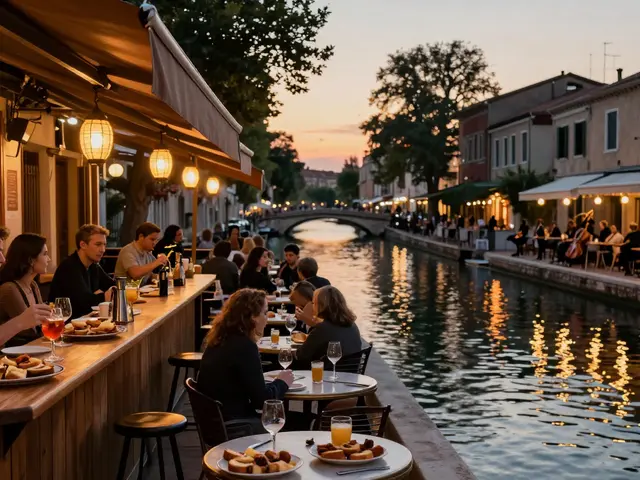
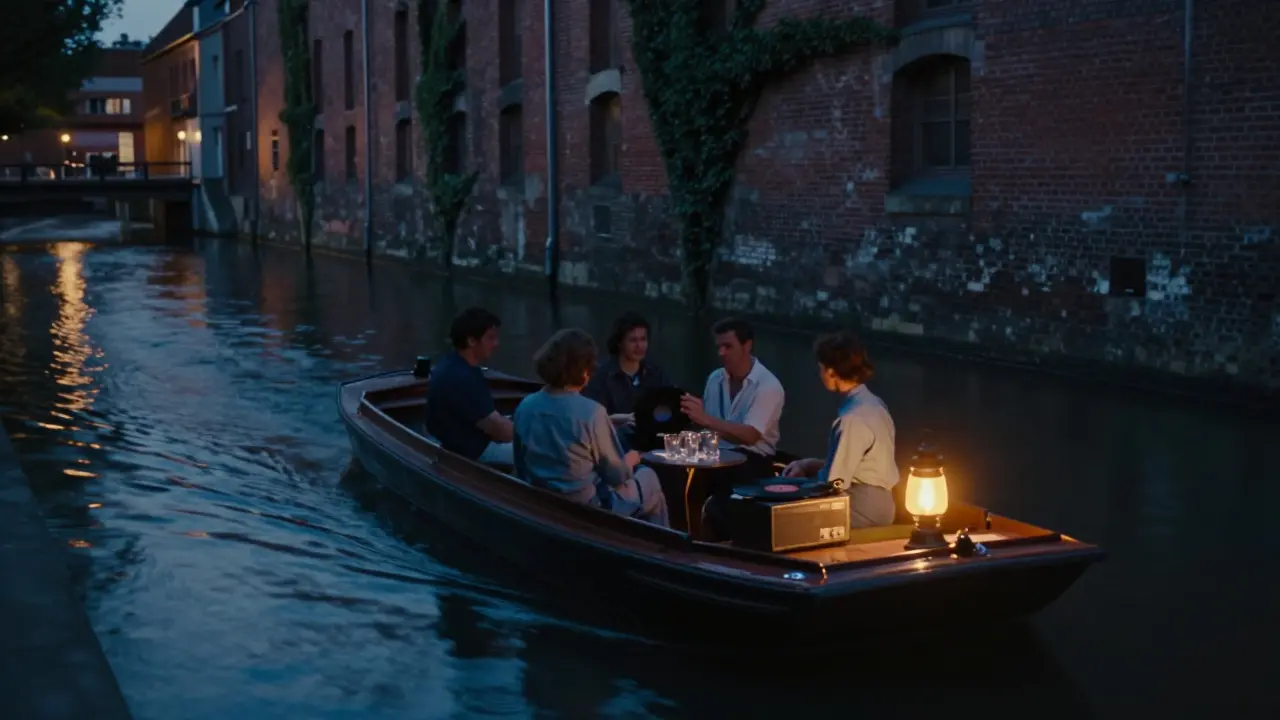
At 6 p.m., you’re on a boat that doesn’t appear on any tourist map-a small, wooden barge that takes six people down the Canal Saint-Martin at dusk. The captain doesn’t talk. He plays a playlist of French chanson on an old record player. No commentary. Just the water, the lights, and the silence.
That’s not a tour. That’s a memory.
Why This Isn’t Just a Tour-It’s a Connection
Paris has been visited by millions. But only a few have ever truly seen it. The city doesn’t open up to those who rush. It opens to those who pause. To those who ask questions. To those who listen.A good guide doesn’t show you Paris. They help you find your own version of it. Maybe it’s the quiet corner of a cemetery where the roses never fade. Maybe it’s the smell of warm bread drifting from a bakery that’s been open since the 1940s. Maybe it’s the sound of a violin playing in a subway tunnel at midnight.
These aren’t secrets. They’re just overlooked. And the only way to find them is to walk with someone who knows where to look.
Is hiring a private guide in Paris expensive?
A private guide typically costs between €120 and €250 per day, depending on experience and duration. That’s comparable to a high-end restaurant for two. But unlike a meal, a good guide gives you access to experiences you can’t buy anywhere else. Many clients say it’s the most valuable part of their trip.
Can I book a guide for just a few hours?
Yes, but most experienced guides prefer full-day bookings. A few hours isn’t enough to move beyond the surface. If you’re short on time, ask for a themed half-day tour-like "Hidden Cafés of Le Marais" or "Street Art and Architecture in the 13th." These are more focused and still deeply personal.
Do I need to speak French?
No. The best guides are fluent in English and other languages. But learning a few basic phrases-"Merci," "Où est la meilleure boulangerie?"-goes a long way. Locals notice. And they respond.
Are these guides safe and professional?
Yes. Reputable guides are licensed, insured, and vetted through local cultural associations. They’re not tour operators-they’re historians, chefs, artists, and archivists who love their city. Always ask for references or proof of certification before booking.
What’s the best time of year to take a private tour in Paris?
April to June and September to October offer the best weather and fewer crowds. But winter has its own magic-snow on the Seine, steaming mulled wine at Christmas markets, and empty museums where you can stand in front of a Monet without a line. A good guide knows how to make any season feel special.
Next Steps: How to Start
Don’t book the first guide you find on a website. Look for blogs written by locals-like "Paris by Mouth" or "The Secret Paris." Read their recommendations. Ask for a 15-minute call before booking. Ask them: "What’s one place you wish more visitors knew about?" If their answer surprises you, you’ve found the right person.Paris isn’t a destination you check off. It’s a story you live. And the best stories aren’t written in guidebooks. They’re whispered by people who know the city’s heartbeat.