London’s LGBTQ+ nightlife isn’t just a scene-it’s a living archive of resistance, joy, and community. You don’t just go out here. You step into spaces where generations of queer people built belonging against the odds. From underground basements in Soho to rooftop lounges in Shoreditch, the city’s queer nightlife is diverse, loud, and deeply personal. This isn’t a list of clubs you’ll find on a tourist brochure. This is where locals go when they want to be seen, heard, and free.
SoHo: The Heartbeat of London’s Queer Scene
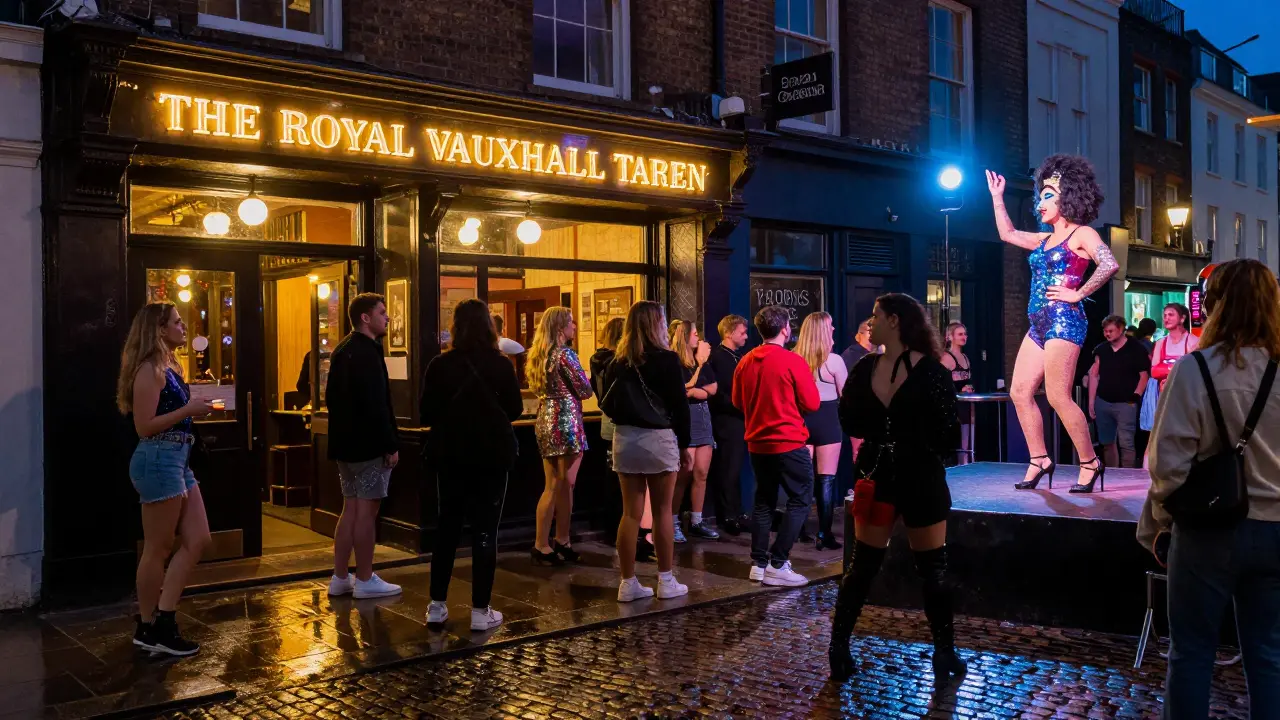
Soho is still the epicenter, but it’s not what it was in the 90s. The old-school gay pubs like The Royal Vauxhall Tavern still hold court, but now they sit alongside new wave venues that blend drag, techno, and performance art. The Royal Vauxhall Tavern isn’t just a bar-it’s a Grade II listed building where drag legends like Lily Savage performed before they were household names. It’s open every night, but Thursday’s Drag Bingo and Saturday’s Queer Cabaret are the ones that fill the room to the rafters.
Don’t miss Stag, a no-frills, no-pretense gay bar with a backyard that turns into a dancefloor under string lights. The crowd is mixed-students, retirees, non-binary artists, and tourists who know better than to wear heels on the uneven pavement. The drinks are cheap, the music is loud, and the bouncers know your name by the third round.
Shoreditch: Where Queer Culture Meets Underground Sound
If Soho is the soul, Shoreditch is the pulse. Here, queer nightlife is tied to music, art, and activism. The Joiners Arms has been around since the 80s, but it’s had a renaissance. Now it hosts weekly events like Wicked (a queer hip-hop night) and Lesbian & Queer Women’s Night on the first Friday of every month. The walls are covered in protest posters and local artist murals. You’ll find people here who don’t just go out-they organize.
Badlands is the place to go if you want to dance until 4 a.m. to house, techno, and experimental electronic beats. It’s not a gay bar. It’s not a lesbian bar. It’s a queer bar-open to everyone who respects the space. The lighting is low, the sound system is top-tier, and the DJ often plays tracks from underground queer producers in Berlin, Lagos, and São Paulo. It’s the kind of place where you’ll meet someone who’s just returned from a protest in Tel Aviv and wants to talk about it over a whiskey.
Camden: Alternative, Edgy, and Unapologetically Queer
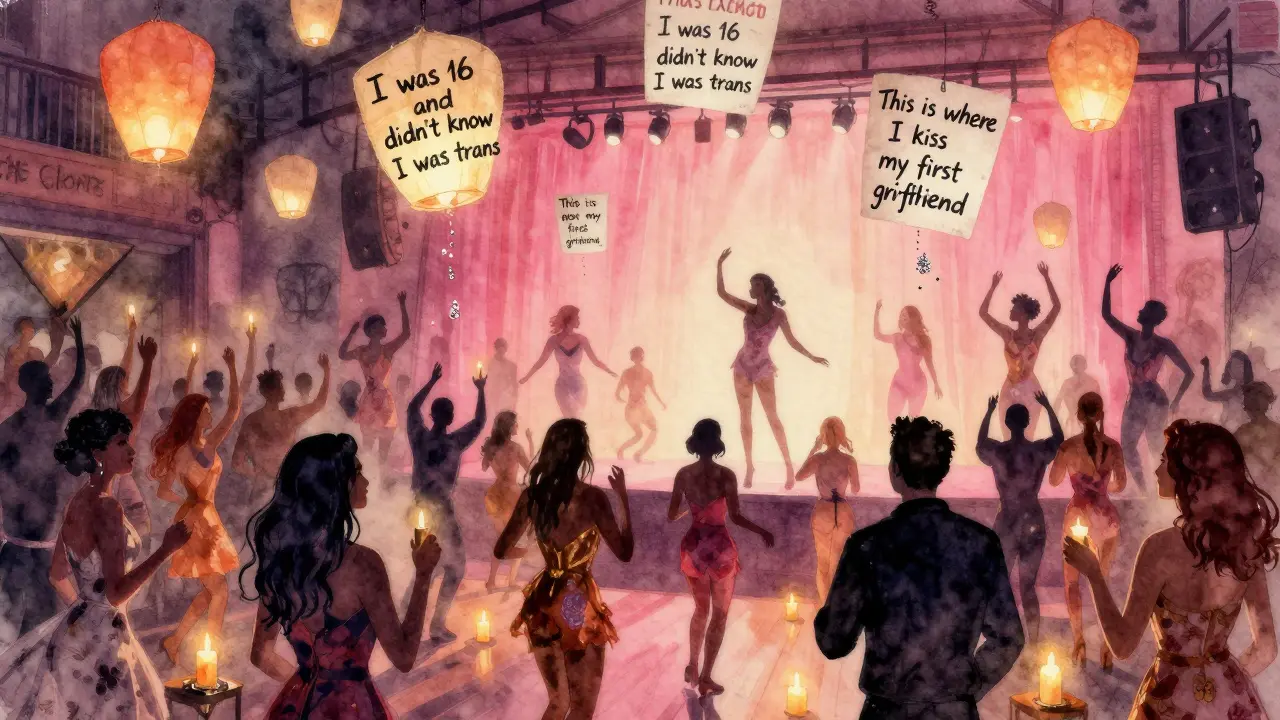
Camden has always been a haven for outsiders. Today, it’s home to some of London’s most daring queer spaces. Bar 21 is a tiny, unmarked spot behind a bookshop. You need a password to get in-ask at the door, and they’ll give you one. Inside, it’s all glitter, leather, and punk rock. Drag kings perform on a stage made of reclaimed wood. The bathroom walls are covered in handwritten notes from patrons: “I came here when I was 16 and didn’t know I was trans.” “This is where I kissed my first girlfriend.”
The Glory is the crown jewel of Camden’s queer scene. It’s a venue, a bar, and a performance space all rolled into one. Their weekly Drag Race UK watch parties draw crowds of 300+. But it’s their monthly Trans Night that’s the most powerful. Hosted by trans performers and DJs, it’s a celebration that starts with a moment of silence for those lost to transphobic violence-and ends with a dancefloor that won’t stop moving.
East London: Queer Spaces Beyond the Tourist Trail
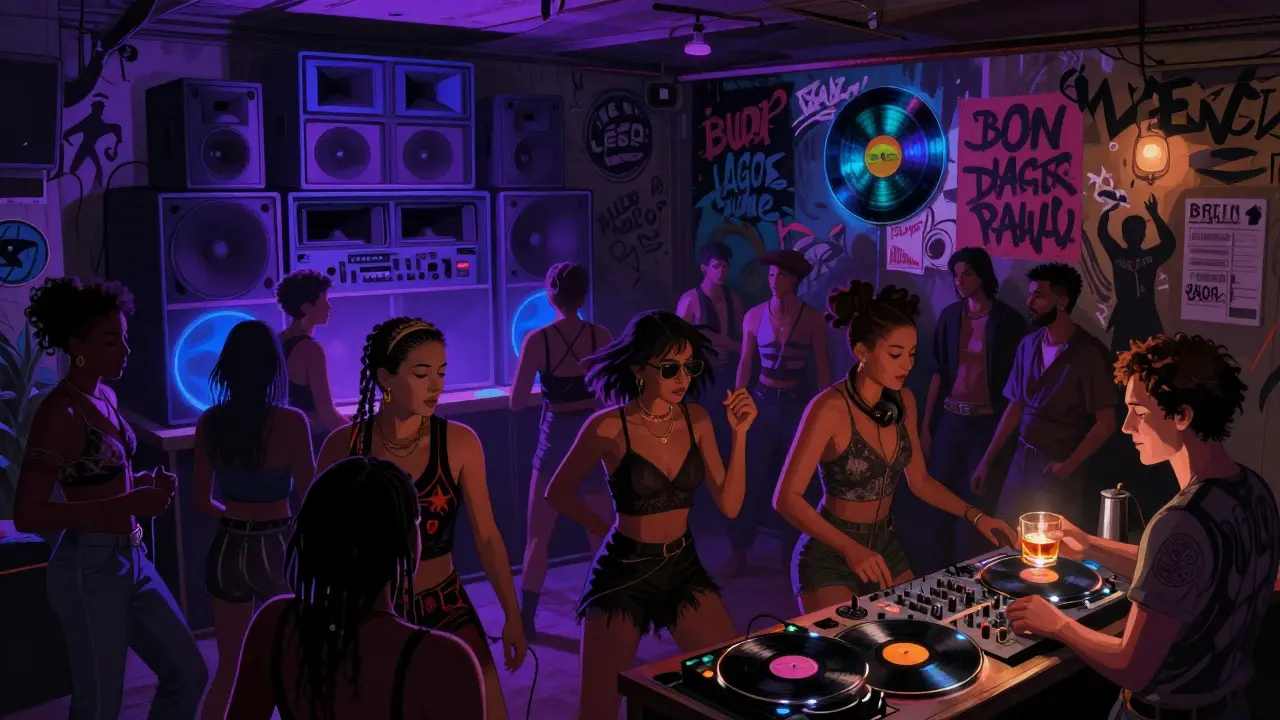
Outside of Soho and Shoreditch, queer nightlife is thriving in places most visitors never see. In Hackney, Wanderlust is a queer-friendly café by day and a dance club by night. It’s run by a collective of queer artists and activists. Their monthly Queer Disco features vinyl-only sets and a no-phone policy-no selfies, no scrolling. Just dancing.
Down in Peckham, Club 85 is a hidden gem. It’s not on any map. You find it by word of mouth. The music is a mix of afrobeats, reggaeton, and classic disco. The crowd is mostly Black and Brown queer folks, and the vibe is warm, loud, and full of laughter. This isn’t a place for tourists. It’s a place for people who’ve been told they don’t belong anywhere-and chose to build their own space anyway.
What to Know Before You Go
London’s queer nightlife is safe, but not always predictable. Here’s what you need to know:
- Entry policies vary. Some venues are strictly LGBTQ+ friendly, others are open to all. If you’re unsure, call ahead or check their Instagram. Many post their crowd demographics the night before.
- Don’t assume everyone’s out. Some people are still figuring things out. Don’t out anyone. Don’t ask personal questions. Respect the space.
- Transport matters. Night buses run until 5 a.m., but the last Tube to East London is around 1 a.m. Plan ahead. Uber is expensive after midnight. Consider staying near your last stop.
- Tip your bartenders. Many are queer themselves. They work long hours, often for minimum wage. A £5 tip goes further here than you think.
- Check event calendars. Many venues don’t have regular opening hours. Some only open for events. Follow them on Instagram or sign up for their newsletters.
Seasonal Events You Can’t Miss
London’s queer calendar is packed. But a few events stand out:
- Pride in London (June): The biggest parade in Europe. Over a million people line the streets. But the real magic is in the after-parties-especially at Club 85 and The Glory, which host free, all-night events.
- London Trans+ Pride (July): A march organized by and for trans and non-binary people. It ends with a silent disco and a community feast in Victoria Park.
- Lesbian & Queer Women’s Weekend (September): A weekend of film screenings, poetry readings, and dance nights across East London. The closing party at Wanderlust sells out months in advance.
- Black Queer Christmas (December): A candlelit gathering in Peckham with live music, hot cocoa, and a gift exchange. It’s been running since 2018. No one’s ever been turned away.
Where to Stay If You’re Coming from Out of Town
You don’t need to stay in Soho. But you do want to be close to good transport. Here are three spots locals recommend:
- The Z Hotel Soho - Budget-friendly, clean, and just two blocks from The Royal Vauxhall Tavern. Staff are openly queer and happy to give you local tips.
- The Hoxton, Shoreditch - Mid-range. Stylish, quiet rooms, and a rooftop bar that’s popular with creatives. They host weekly queer trivia nights.
- Wanderlust Hostel - Not a hotel. A queer-run hostel in Hackney. Dorms are mixed, private rooms available. Free breakfast, free coffee, and a community board with event listings.
Final Thoughts: It’s Not About the Club, It’s About the People
London’s LGBTQ+ nightlife isn’t about checking off venues. It’s about finding your people. The person who dances like no one’s watching. The bartender who remembers your name. The stranger who buys you a drink because you looked lost. That’s the real magic.
You don’t need to be flamboyant. You don’t need to be out. You don’t need to be perfect. You just need to show up.
Is London’s LGBTQ+ nightlife safe for tourists?
Yes, generally. London is one of the most LGBTQ+-friendly cities in the world. Most venues have trained staff and clear anti-discrimination policies. However, like any big city, be aware of your surroundings, especially late at night. Stick to well-known areas like Soho, Shoreditch, and Camden. Avoid walking alone in unfamiliar streets after 2 a.m.
Are there LGBTQ+ venues that aren’t bars or clubs?
Absolutely. Wanderlust in Hackney is a café by day and a dance club by night. The Joiners Arms hosts poetry nights and art shows. The British Library runs queer history talks. There are also queer bookshops like Gay’s the Word in Bloomsbury, which hosts author readings and open mic nights. These spaces are just as important as the clubs-they’re where community is built beyond the dancefloor.
Do I need to be LGBTQ+ to go to these venues?
You don’t need to be LGBTQ+ to enter most venues, but you do need to be respectful. These are safe spaces for people who’ve faced exclusion for most of their lives. Don’t dominate conversations. Don’t take up too much space. Don’t treat it like a novelty. If you’re an ally, listen more than you speak. Show up to support, not to perform.
What’s the dress code?
There’s no official dress code. Some places like The Glory encourage glitter and bold outfits. Others like Stag are all about comfort-jeans, t-shirts, sneakers. If you’re going to a drag show or themed night, check their social media. Most events will say if they want you to dress up. When in doubt, wear what makes you feel confident.
Are there queer-friendly options for non-drinkers?
Yes. Many venues now offer curated non-alcoholic menus. Wanderlust has house-made shrubs and kombucha cocktails. The Glory serves craft sodas with names like “Coming Out Lemonade”. Even in loud clubs, you can always ask for a sparkling water with lime. The staff will know what you mean.
What if I’m not sure about my identity yet?
You’re welcome here. Many venues have quiet corners or chill-out zones where you can sit and observe. No one will pressure you. You don’t have to label yourself to belong. Just showing up is enough. Some of the most powerful moments in queer nightlife happen when someone walks in, unsure, and leaves knowing they’re not alone.