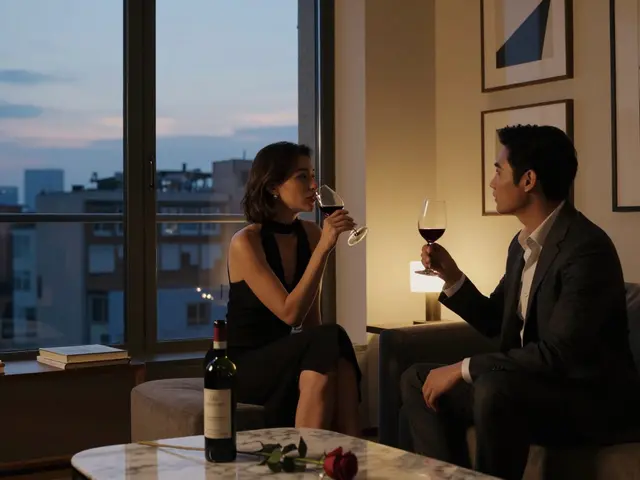
When the sun sets over Milan, the city doesn’t just turn off-it turns up. This isn’t the kind of place where you find quiet streets and early bedtimes. Milan’s nightlife is loud, stylish, and always moving. You don’t need to be a party animal to love it. You just need to know where to go. And honestly? Most tourists miss half the fun because they stick to the same three spots everyone recommends. Let’s fix that.
Start in Navigli: Canals, Cocktails, and City Lights
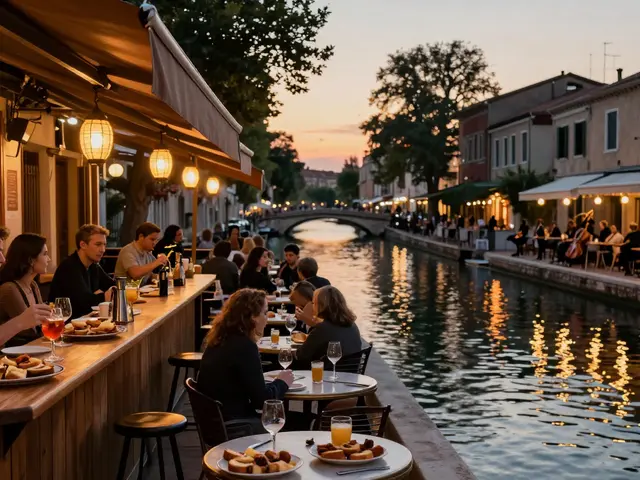
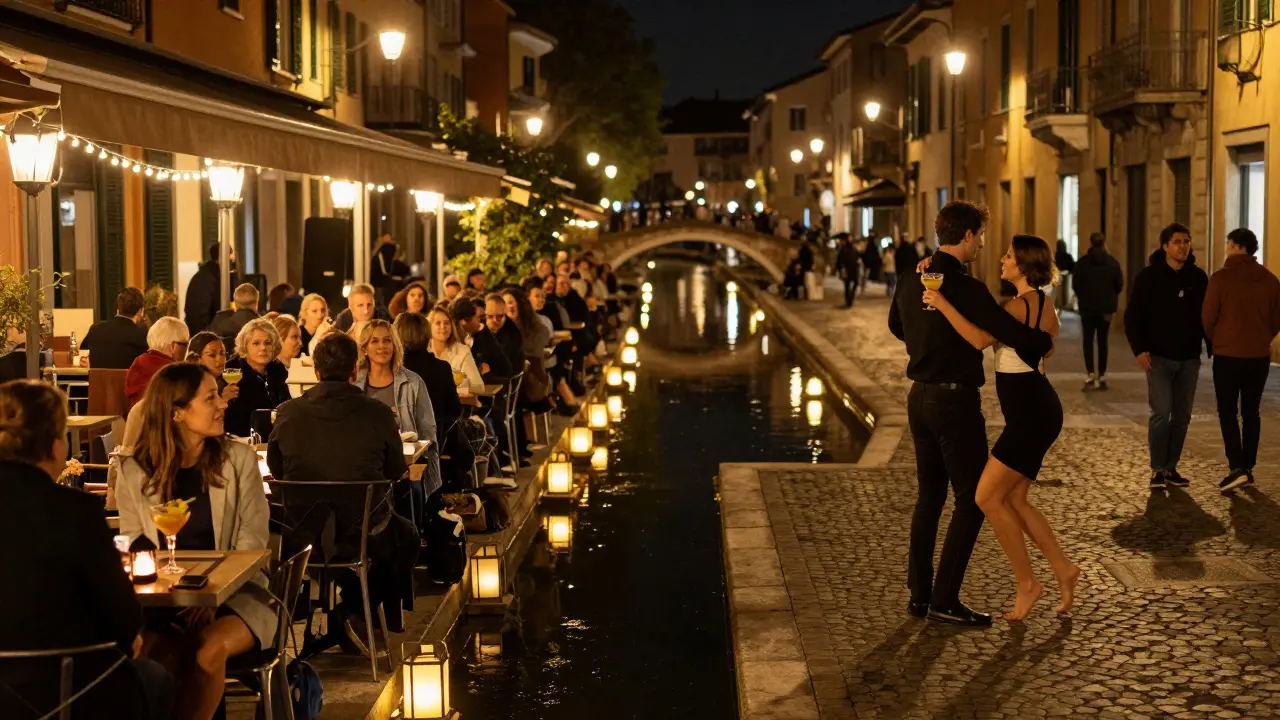
If you only visit one area in Milan at night, make it Navigli. This is where the city’s oldest canals meet modern design, and the energy is electric. The two main branches-Naviglio Grande and Naviglio Pavese-are lined with outdoor bars, live music, and people dancing barefoot on cobblestones. It’s not a club scene. It’s a street party that lasts until 3 a.m.
Try Bar Basso for a classic Aperol Spritz. It’s not fancy, but it’s where the cocktail was invented. Or head to La Cucina del Naviglio for wine by the glass and homemade cicchetti. The vibe here is casual, but the crowd? All Milanese. Locals who work in fashion, design, or finance come here to unwind. You’ll see people in tailored jackets sipping prosecco next to students in hoodies. That’s Milan.
Brera: Where Art Meets After-Hours
By day, Brera is quiet. Art galleries, antique shops, and cobblestone alleys. By night? It transforms. The bars here are intimate, dimly lit, and packed with people who care about the quality of their drink, not just the name on the label.
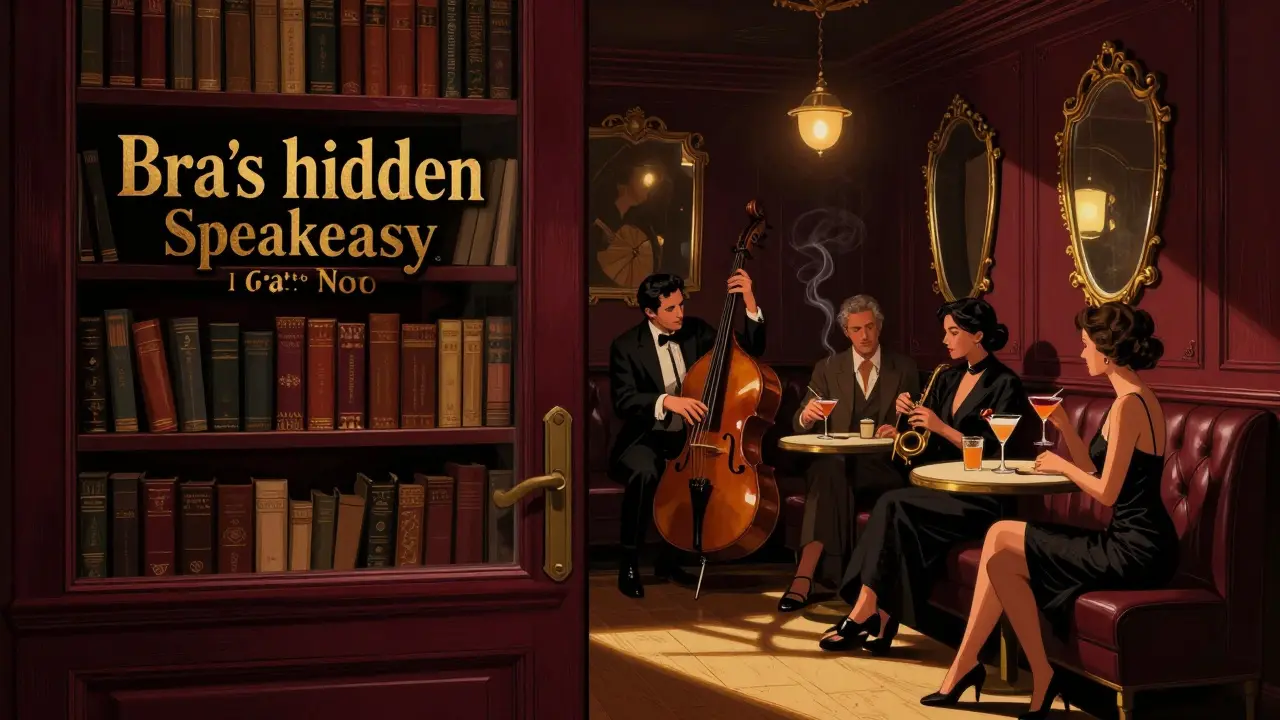
Bar Basso (yes, it’s in both Navigli and Brera-two branches) is a must, but don’t stop there. Il Gatto Nero is a speakeasy-style bar hidden behind a bookshelf. You need to know the password (ask the bartender, they’ll tell you). The cocktails are creative, the jazz is live, and the lighting is perfect for slow dancing with someone you just met.
Brera is also where you’ll find Milan’s best wine bars. Enoteca Pinchiorri has over 1,200 bottles. You can order a single glass of Barolo from 1982 for €18. Yes, really. No one’s pretending to be trendy here. Just pure, unfiltered Italian wine culture.
Porta Ticinese: The Underground Scene
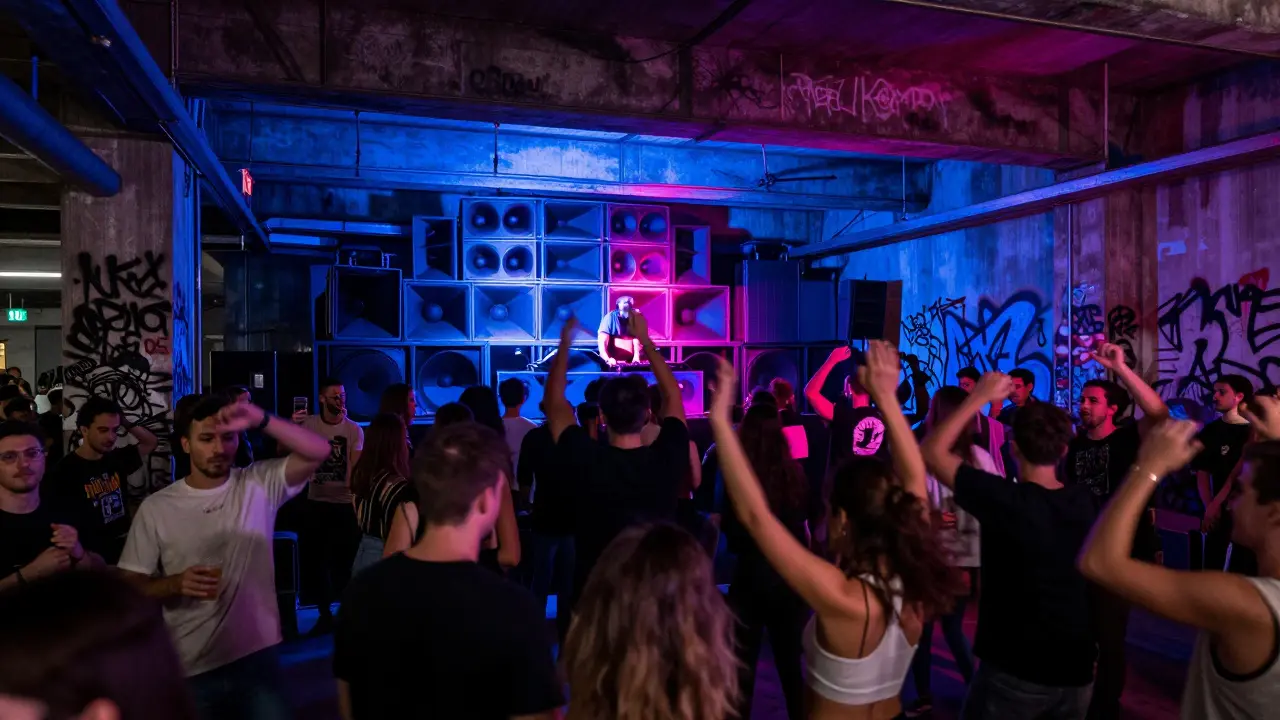
Forget the overpriced clubs downtown. If you want real nightlife, head to Porta Ticinese. This is where Milan’s underground music scene thrives. Think indie bands, electronic DJs, and venues that don’t even have a sign. You’ll find them by the line of people outside.
Magazzini Generali is a converted warehouse that hosts live acts every night. Bands from Berlin, Tokyo, and Buenos Aires play here. The sound system? Better than most clubs in Berlin. The crowd? Young, diverse, and totally unbothered by labels or trends.
Down the street, Alcatraz is a legendary spot that’s been around since the 90s. It’s not glamorous. The walls are covered in graffiti. The bar is sticky. But the music? Pure. You’ll hear everything from post-punk to techno. And yes, people still dance until sunrise. This is where Milan’s youth go to feel alive.
Corso Como 10: The Glamour Side
If you’re here to see Milan’s luxury side, this is your spot. Corso Como 10 isn’t just a bar. It’s a lifestyle. The building used to be a factory. Now it’s a mix of design store, restaurant, and rooftop lounge. The crowd? Models, artists, and CEOs. The dress code? Smart casual. No sneakers. No hoodies.
The rooftop bar, Bar Luce, is the place to be if you want to sip a gin and tonic while watching the city lights flicker. It’s not cheap-cocktails start at €18-but it’s the only place in Milan where you can sit under string lights, listen to a live DJ, and feel like you’re in a movie. The vibe? Elegant, but not stiff. Everyone’s having fun. You just have to know how to act like you belong.
Clubs That Actually Matter
Milan has dozens of clubs. Most are forgettable. But a few? They’re institutions.
La Scala isn’t just a venue-it’s a legend. It’s not the opera house. It’s a club in a converted 19th-century theater. They host international DJs like Sven Väth and Charlotte de Witte. The dance floor is huge, the sound is crystal clear, and the lighting? Like being inside a neon dream. Entry is €20 on weekends. Worth every euro.
Baggio is the opposite. Tiny, no sign, hidden behind a laundry shop. You need a friend to get in. But once you’re inside? You’re in one of the most authentic underground clubs in Europe. No VIP section. No bottle service. Just music, sweat, and a feeling that you’re part of something real.
And then there’s Magazzini Generali again. Yes, it’s listed twice because it does both live music and club nights. Don’t sleep on it.
What to Avoid
Stay away from the tourist traps near Piazza del Duomo. Places like La Scala Club (not the same as the real La Scala) or Wine Bar Milano are overpriced, crowded with people who don’t know what they’re doing, and play Top 40 hits from 2012. You’ll pay €15 for a soda. You’ll leave bored.
Also, don’t expect 24/7 partying. Most clubs close by 2 a.m. on weekdays. Weekends are different. Bars stay open until 4 a.m. But if you want to dance past 5 a.m., you’ll need to find a secret after-hours spot. Those are usually whispered about on Instagram DMs or passed along by bartenders.
When to Go
Thursday night is the quiet start. Friday and Saturday are packed. Sunday? That’s when locals go to Navigli for brunch and live acoustic sets. If you want to feel like a local, show up on a Sunday. You’ll see people in pajamas drinking espresso and laughing with friends. That’s Milan.
Summer (June-August) is the peak. Outdoor bars explode. Winter? The energy moves indoors. But even in January, the clubs are full. Milan doesn’t take a break.
Pro Tips
- Don’t carry cash only. Most places take cards now-even the small bars.
- Wear good shoes. Cobblestones are brutal after 2 a.m.
- Don’t ask for “American-style” drinks. Milan knows its cocktails better than you do.
- Try the aperitivo culture. From 6 to 9 p.m., many bars give you free snacks with your drink. Think arancini, olives, mini sandwiches. It’s worth €10.
- Use Uber or Bolt. Taxis are expensive and hard to find after midnight.
Milan’s nightlife isn’t about being seen. It’s about being present. Whether you’re sipping wine in Brera, dancing in a warehouse in Porta Ticinese, or laughing with strangers on a canal-side bench-you’ll remember this. Not because it was loud. But because it felt real.
Is Milan nightlife safe at night?
Yes, Milan is generally very safe at night, especially in popular nightlife areas like Navigli, Brera, and Porta Ticinese. Police presence is visible, and most bars and clubs have security. Avoid poorly lit side streets and don’t walk alone in industrial zones after midnight. Stick to the main routes, use ride-share apps, and keep your valuables secure. Violent crime is rare, but pickpocketing can happen in crowded spots-just like in any major European city.
What’s the best time to start a night out in Milan?
Most locals don’t start until 10 p.m. or later. Dinner runs late-usually between 8 and 10 p.m. After that, people head to bars for aperitivo (6-9 p.m.) or move to clubs after midnight. If you show up at 8 p.m., you’ll likely be the only one there. Wait until 11 p.m. to catch the real energy. The clubs don’t fill up until 1 a.m., and the best music starts after 2 a.m.
Do I need to dress up for Milan nightlife?
It depends on where you’re going. In Navigli and Porta Ticinese, jeans and a nice shirt are fine. In Brera and Corso Como 10, you’ll want to look put-together-no flip-flops, no sportswear. At clubs like La Scala or Baggio, there’s no official dress code, but people tend to dress stylishly. Think tailored jackets, leather boots, or minimalist dresses. You don’t need designer labels, but you do need to look intentional. Milan judges style quickly.
Can I find English-speaking bartenders in Milan?
Absolutely. Most bartenders in popular nightlife areas speak fluent English, especially in places that get international visitors. But don’t assume they’ll cater to American tastes. They know their cocktails, wines, and spirits better than you do. Ask for recommendations instead of ordering a “vodka soda.” You’ll get a better drink-and maybe a story.
Are there any free events in Milan’s nightlife scene?
Yes. Many bars in Navigli and Brera host free live music on Thursdays and Sundays. Look for acoustic sets, jazz trios, or local DJs spinning vinyl. Some galleries in Brera open late on Fridays with free wine and art viewings. Check local event pages like Extralife Milano or Milan Nightlife on Instagram. You don’t need to spend money to have a great night out here.