London doesn’t sleep-and neither should you. By 10 p.m., the city’s streets hum with energy, from dimly lit jazz lounges to bass-thumping warehouses in Shoreditch. Forget the tourist traps. If you want a real night out in London, you need to know where the locals go, where the music stays loud until sunrise, and where the drinks are worth the wait.
The Windmill, Brixton
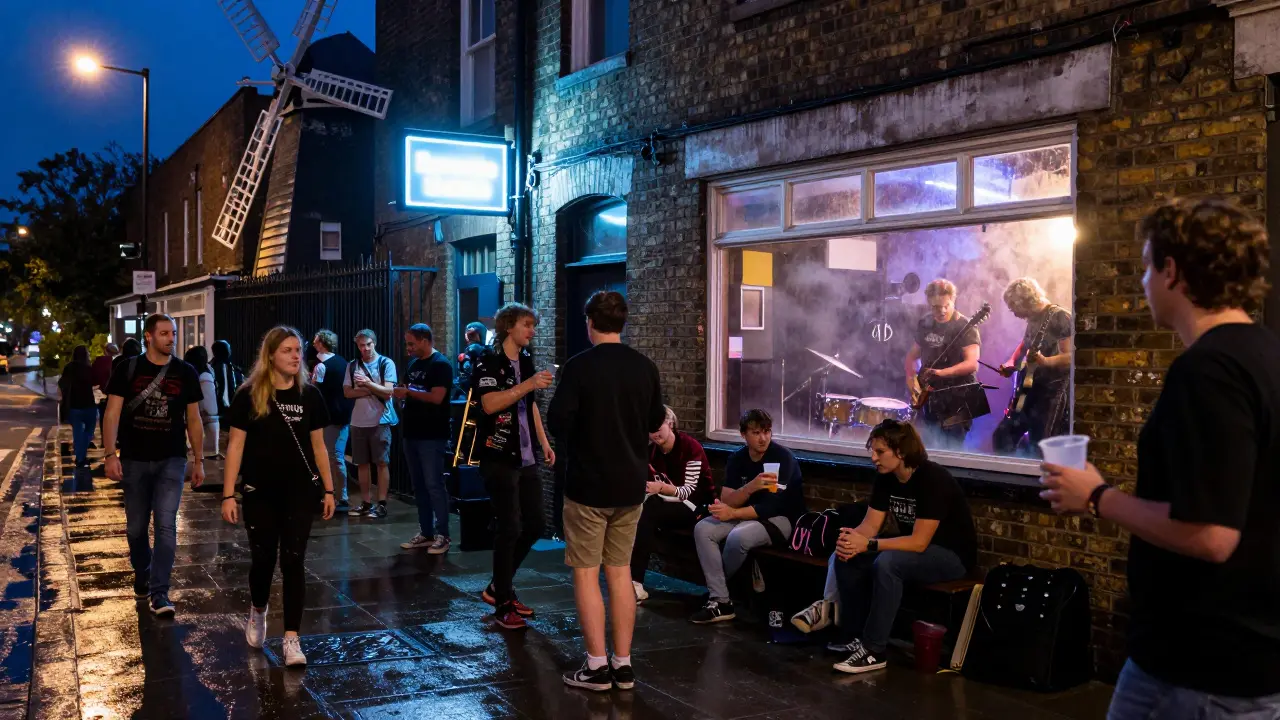
Don’t let the unassuming brick exterior fool you. The Windmill has been a cornerstone of London’s underground scene since 1976. This isn’t a place for bottle service or VIP tables. It’s raw, loud, and gloriously unpolished. Live punk bands, experimental noise acts, and surprise guest DJs spill out onto the sidewalk. The bar serves cheap lager in plastic cups, and the crowd? A mix of artists, students, and older punks who’ve been coming here since the ’80s. If you want to feel like you’ve stumbled into something real, this is it.
The Bar at The Savoy, Covent Garden
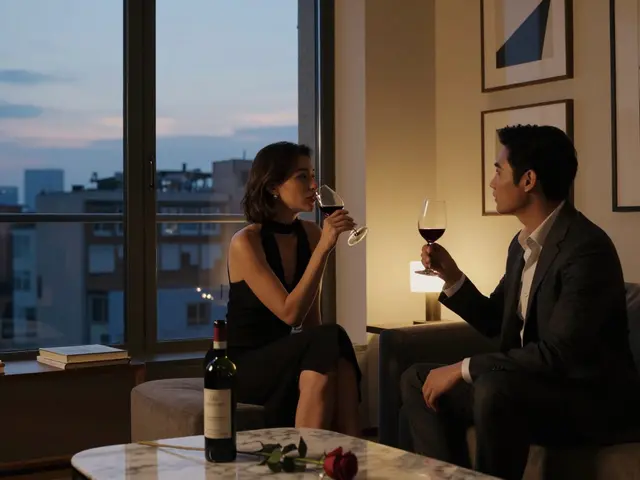
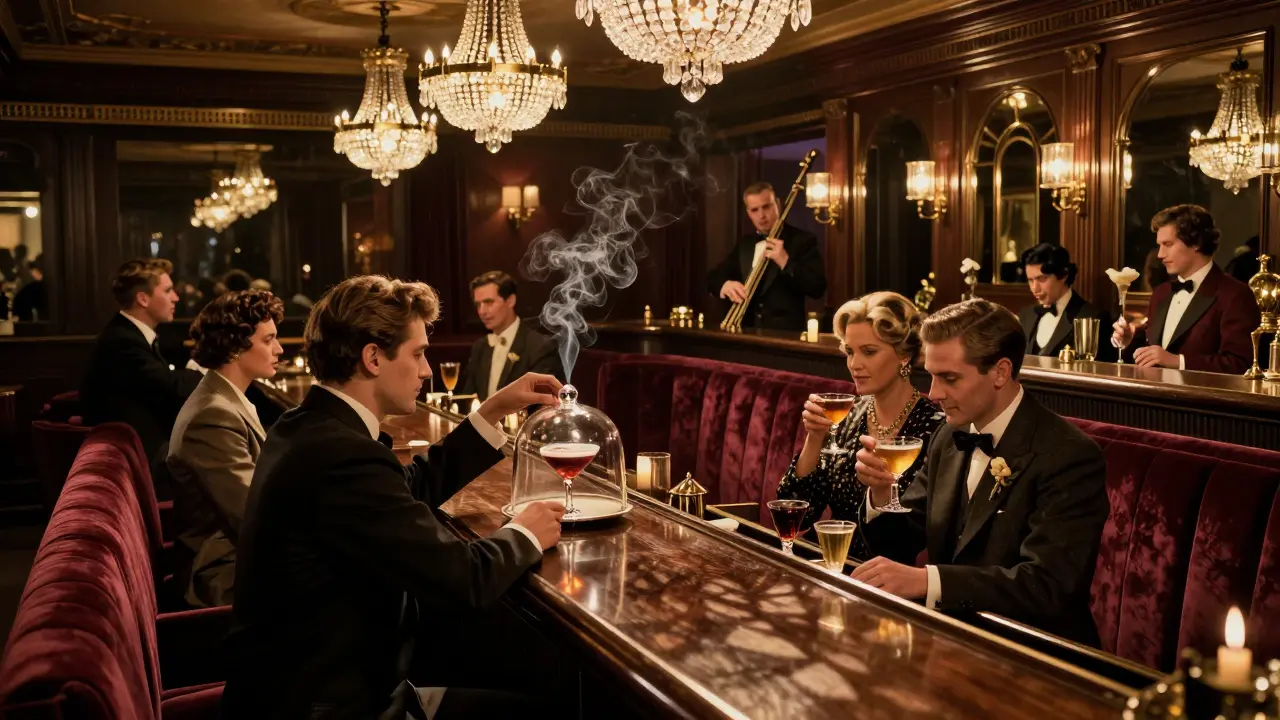
For a night that leans toward elegance without the pretense, head to The Bar at The Savoy. It’s not just a cocktail bar-it’s a living museum of mixology. The team here revived the classic Americano and perfected the Bee’s Knees long before it became trendy. Order the Smoke & Mirrors, a gin-based drink with smoked applewood and black pepper, served under a glass cloche that releases its aroma as you lift it. The jazz trio plays live every night, and the velvet booths feel like stepping into a 1920s film. It’s expensive, yes-cocktails start at £18-but it’s one of the few places in London where you leave feeling like you’ve experienced something timeless.
Fabric, Farringdon
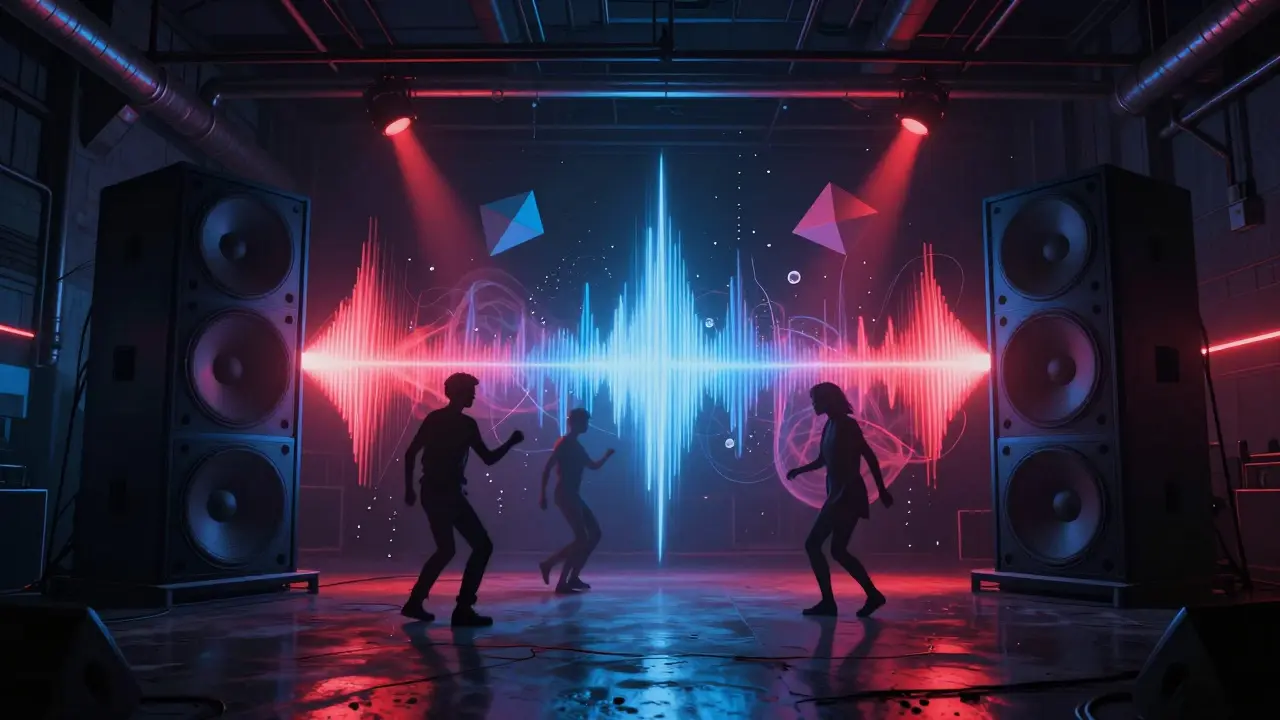
Fabric isn’t just a club. It’s a rite of passage. Open since 1999, it’s survived multiple closures, protests, and licensing battles-and still stands as the most respected techno and house venue in the UK. The sound system alone is legendary: 160 speakers, custom-built by the club’s engineers, with bass so deep you feel it in your ribs. Two rooms, two vibes: Room 1 for hard-hitting techno, Room 2 for deeper, groovier sets. Doors open at 11 p.m., but the real magic starts after 2 a.m. When the lights come up at 6 a.m., you’ll walk out with your ears ringing and your soul reset. No VIP sections. No dress code. Just music, sweat, and a crowd that’s there for the sound, not the spectacle.
The Lock Tavern, Dalston
Dalston’s nightlife scene exploded in the last decade, but The Lock Tavern remains its beating heart. This isn’t a club-it’s a community. On Fridays, it turns into a queer dance party with drag performers, live DJs spinning disco and house, and a dance floor packed with people who don’t care who’s watching. The bar serves £4 gin and tonics and has a back room where you can catch underground hip-hop sets. The crowd is diverse, loud, and welcoming. You’ll leave with new friends, a sore ankle from dancing, and the kind of night you’ll talk about for months.
The Blue Posts, Soho
Most of Soho’s pubs have been turned into cocktail bars or brunch spots, but The Blue Posts still feels like the old Soho. It’s tiny, sticky-floored, and smells faintly of beer and cigarettes (even though smoking’s banned). The music? Classic rock, Motown, and ’90s Britpop on a loop. The staff know your name by the second pint. It’s the kind of place where you show up alone and leave with three new people to grab dinner with. The £3.50 pints of Guinness are the cheapest in central London, and the jukebox lets you pick your own tune. No fancy decor. No Instagrammable walls. Just good music, cold beer, and real conversation.
Nightjar, Shoreditch
Nightjar opened in 2012 and changed how London thinks about cocktail bars. It’s hidden behind a nondescript door in a back alley, and you need to book ahead. Inside, the decor feels like a 1920s speakeasy crossed with a jazz club in New Orleans. The cocktail menu changes monthly and is themed around decades, genres, or even books. Try the Midnight in Paris, a cognac and blackberry drink served with a smoke-filled glass globe. The bar staff don’t just pour drinks-they tell stories. They’ll ask what mood you’re in and craft something just for you. It’s not cheap, but it’s one of the most thoughtful drinking experiences in the city.
The Cross Keys, Islington
If you’re into live music but hate the corporate vibe of big venues, The Cross Keys is your spot. This pub has a tiny stage in the back where local bands-indie rock, folk, garage-play every night. The sound system is modest, the crowd is intimate, and the beer is served in proper pint glasses. You’ll find students, musicians, and retirees all jammed together, clinking glasses between sets. The owner, Dave, has been running this place for 30 years and still greets everyone by name. No cover charge. No fancy lighting. Just great music and a room full of people who actually listen.
Boxpark Shoreditch
Boxpark is built from shipping containers, and it looks like a temporary market. But every Friday and Saturday night, it becomes one of London’s most vibrant nightlife hubs. Think street food stalls, pop-up bars, rooftop terraces, and DJs spinning everything from Afrobeats to drum and bass. The crowd is young, diverse, and here for the vibe, not the exclusivity. Grab a Korean fried chicken taco from one stall, a mezcal cocktail from another, and find a spot on the steps to watch the lights flicker over the containers. It’s chaotic, loud, and full of life. Perfect if you want to move between different scenes without leaving the same block.
The Water Rats, King’s Cross
Since 1874, The Water Rats has hosted everyone from David Bowie to Amy Winehouse. Today, it’s a haven for emerging rock, metal, and alternative acts. The stage is small, the ceiling is low, and the sound is pure. Bands play here before they hit festivals, so you’re often seeing future stars in a room that holds 200 people max. The bar serves £5 pints, and the crowd is loyal-regulars know every lyric. If you’re into guitar-driven music and want to feel like you’re part of something before it blows up, this is your place.
El Vino, Fleet Street
El Vino isn’t flashy. It’s a 150-year-old wine bar tucked between law firms and old newspaper offices. No music. No TVs. Just wooden booths, dim lighting, and shelves lined with bottles from every corner of Europe. The staff are experts-they’ll guide you from a crisp Sancerre to a bold Barolo based on what you’re in the mood for. It’s the kind of place where you come after work, sit alone with a glass, and read a book until midnight. Or you strike up a conversation with the man next to you who’s just retired from the legal world. It’s quiet, thoughtful, and deeply British. If you want a night that ends with a slow sip and a full heart, this is it.
What to Know Before You Go
London’s nightlife is wide open, but a few things help you avoid the pitfalls. First, cash still matters. Many smaller venues don’t take cards, especially after midnight. Second, dress codes vary: Fabric and Nightjar are casual, but The Bar at The Savoy expects smart-casual. Third, book ahead for the popular spots-Nightjar, Fabric, and The Savoy often sell out days in advance. And finally, don’t rush. London’s best nights aren’t about hitting five clubs. They’re about finding one place where the vibe clicks, and staying there until the morning light.
What’s the best time to start a night out in London?
Most Londoners start around 9 or 10 p.m. Pubs and bars fill up by 10:30, and clubs don’t really come alive until after midnight. If you want to avoid crowds, aim for 11 p.m. for drinks and 1 a.m. for clubs. The real energy builds after 2 a.m.-that’s when the locals and true night owls show up.
Is London nightlife safe at night?
Yes, but like any big city, stay aware. Stick to well-lit streets, use licensed taxis or the Night Tube after 1 a.m., and avoid isolated alleys. Areas like Soho, Shoreditch, and Brixton are busy and well-patrolled. Never leave your drink unattended, and trust your gut-if a place feels off, walk out. Most venues have security staff, and the police are visible near major nightlife zones.
How much should I budget for a night out in London?
You can have a great night for £20-£30 if you stick to pubs and local bars with £4-£6 pints or cocktails. For cocktail bars like Nightjar or The Savoy, expect £15-£25 per drink. Clubs like Fabric charge £10-£15 cover, and drinks are £8-£12. If you’re doing dinner, drinks, and a club, plan for £60-£100. Skip the tourist spots in Leicester Square-they’re overpriced and underwhelming.
Are there any free nightlife options in London?
Absolutely. Many pubs like The Blue Posts and The Cross Keys have live music with no cover charge. Some bars, like The Windmill, host open mic nights for free. You can also walk along the South Bank after dark-street performers, illuminated landmarks, and spontaneous jam sessions happen almost every night. Check Time Out London’s free events page for pop-up art, silent discos, or outdoor film screenings.
What’s the difference between a pub and a bar in London?
Pubs are older, more casual, and focus on beer, cider, and community. You’ll find dartboards, pool tables, and regulars who’ve been coming for decades. Bars are newer, trendier, and often centered around cocktails, wine, or craft spirits. They’re quieter, more stylish, and usually have a cover charge or dress code. Think of pubs as your local hangout and bars as your special occasion spot.
Final Tip: Don’t Just Chase the Hype
The best nights in London aren’t the ones you see on Instagram. They’re the ones where you end up in a back room at a pub you didn’t plan to visit, dancing with strangers who become friends, or sitting quietly with a glass of wine while rain taps on the window. Let yourself wander. Ask the bartender for their favorite spot. Follow the music. London rewards curiosity-and the best memories are the ones you didn’t schedule.