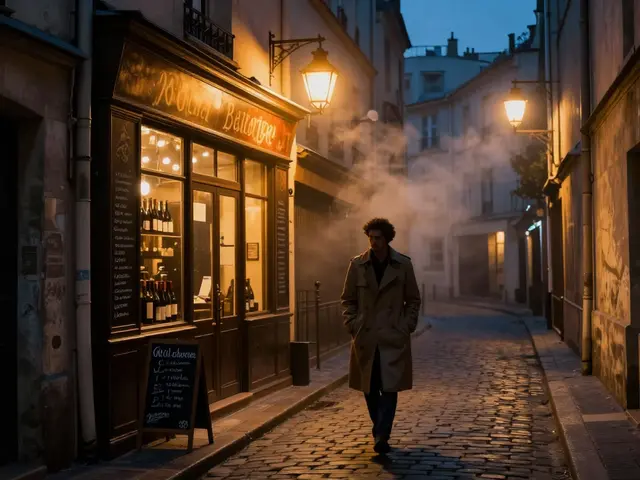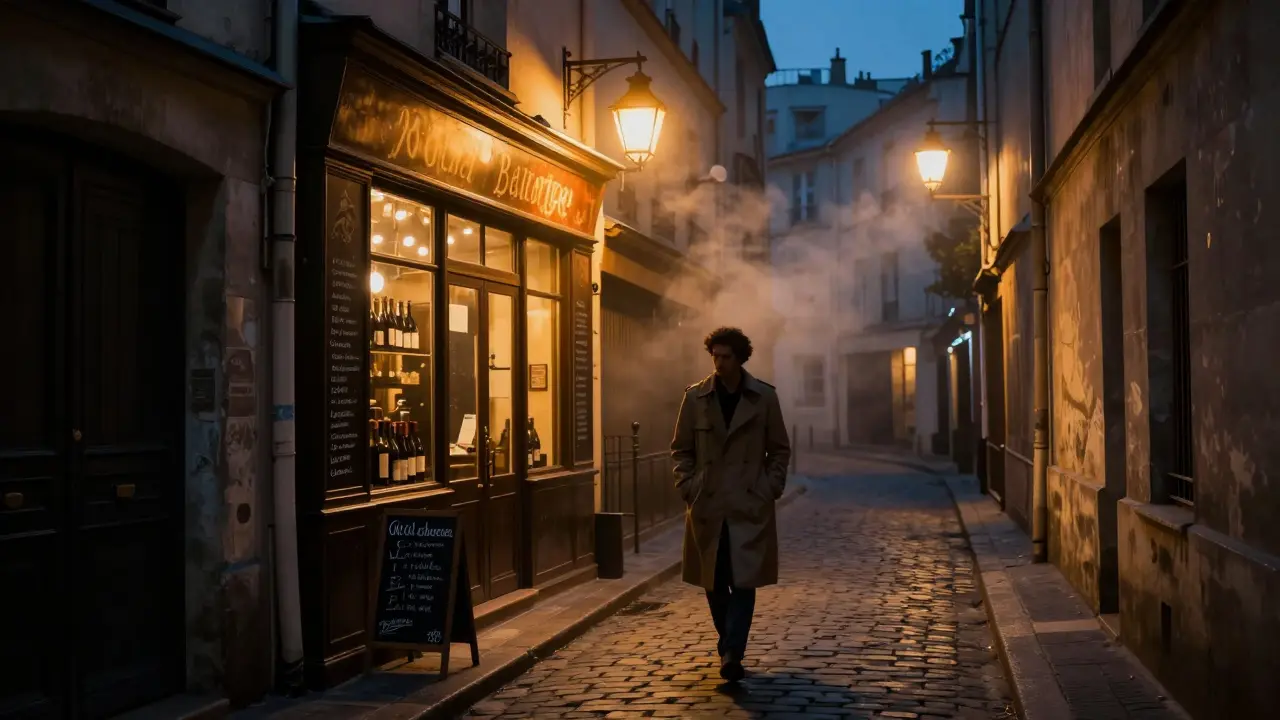
Paris doesn’t sleep when the sun goes down-it wakes up. The city’s nightlife isn’t just about drinking or dancing. It’s about strolling past glowing storefronts in Montmartre, sipping wine in a hidden basement bar, or listening to live jazz in a 1920s cellar where the walls still hum with history. If you think Paris is all cafés and museums by day, you’re missing half the story. The real magic happens after midnight.
Where the Locals Go After Work
Most tourists head straight to the Champs-Élysées or the Eiffel Tower at night. But locals? They know better. The real pulse of Parisian nightlife lives in neighborhoods you won’t find on postcards. In the 11th arrondissement, Baratin is the kind of place where you might end up talking to a wine importer from Burgundy at 2 a.m. It’s tiny, no menu, just a chalkboard with five wines and a few snacks. You don’t book a table-you show up, stand at the bar, and let the owner decide what you drink tonight. It’s chaotic, warm, and unforgettable.
Over in Belleville, Le Baron isn’t just a club-it’s a cultural event. Started as a speakeasy in 2003, it now draws artists, musicians, and fashion designers from across Europe. The vibe shifts every night: one week it’s electro, the next it’s live Afrobeat. No dress code, but you’ll notice everyone’s dressed like they just stepped out of a fashion editorial. You don’t come here to be seen-you come because the music feels alive.
Wine Bars That Feel Like Secret Clubs
Paris has over 5,000 wine bars. But only a handful feel like they were carved out of the city’s soul. Le Verre Volé in the Marais is one of them. Run by sommeliers who travel to small vineyards in the Loire Valley, they serve wines you won’t find anywhere else-not even in the region they came from. Try the natural orange wine from a 30-year-old vineyard in Jura. It tastes like wet stones and wild strawberries. You’ll leave with a new favorite grape and a name to remember.
At La Cave des Papilles in the 10th arrondissement, you can taste six wines for €12. No pressure. No tasting notes. Just a quiet counter, a few stools, and a woman who asks, “What kind of night are you having?” Then she picks for you. That’s the Parisian way: intimacy over instruction.
Clubs That Don’t Care About Opening Hours
Most clubs in Paris open at midnight and don’t close until sunrise. But some don’t even bother with a schedule. La Lingerie in the 11th is one of those. It’s a converted lingerie factory, with exposed brick, low lighting, and a sound system that doesn’t just play music-it vibrates through your chest. The crowd? Mostly locals under 35. No VIP section. No bouncers checking IDs. Just a DJ spinning deep house, techno, or experimental noise, depending on the night. You’ll find people dancing barefoot on the floor. That’s not a gimmick-it’s how it’s always been.
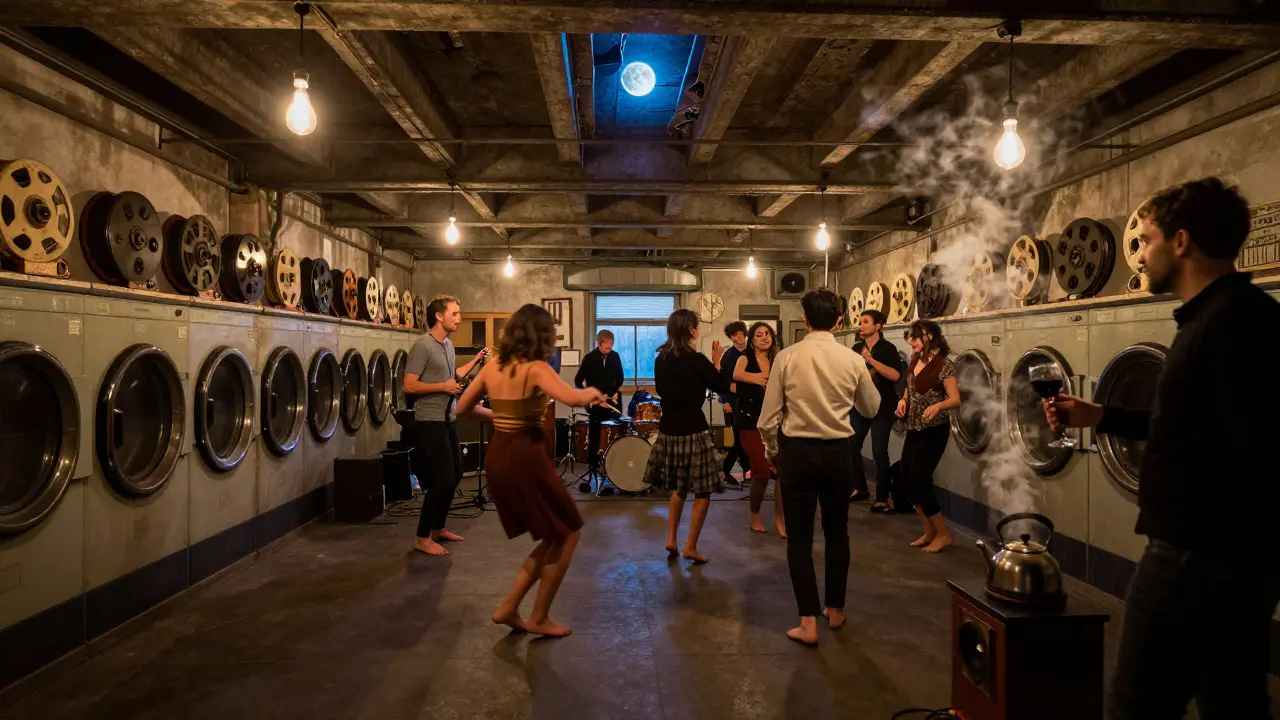
For something more underground, head to Le Bain du Loup in the 13th. It’s not on Google Maps. You need a friend with a password. It’s held in a former laundry room under a train bridge. The music? Jazz fusion mixed with field recordings from rural France. You won’t hear it anywhere else. The crowd is small-maybe 40 people. But if you’re there, you’re part of it. That’s the point.
Live Music That Feels Like History
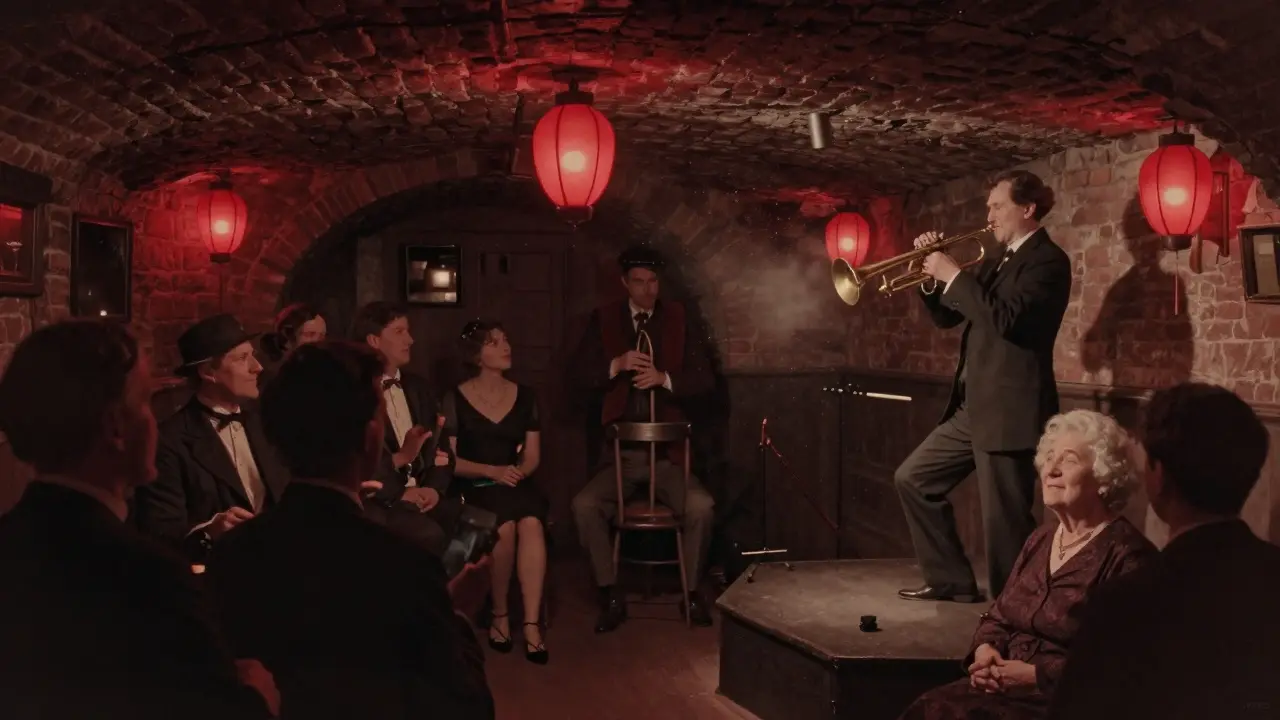
Paris has been a jazz city since the 1920s. And it still is. Le Caveau de la Huchette in the Latin Quarter has been running since 1947. The band plays every night, same setlist, same spot on the floor. You’ll hear the same trumpet riff that Louis Armstrong once played here. It’s not nostalgia-it’s tradition. You’ll find students, tourists, and grandmas all swaying together, no phones out. No one’s recording. Everyone’s just listening.
For something newer, try La Scala in the 18th. It’s a converted church turned jazz and soul venue. The acoustics are perfect. The owner, a former saxophonist from New Orleans, insists on using only analog equipment. No digital effects. No auto-tune. Just horns, bass, and voice. You’ll leave with your ears ringing and your heart full.
Midnight Snacks and the Art of the Late-Night Bite
After a long night, Parisians don’t go for greasy pizza. They go for crêpes. Not the sweet kind you find at tourist stalls. The real ones. Crêperie Brocéliande in Montparnasse opens at 11 p.m. and serves buckwheat crêpes with smoked salmon, crème fraîche, and a drizzle of apple cider vinegar. It’s salty, earthy, and perfect after three glasses of wine.
Or try Le Petit Zinc in the 9th. It’s a tiny bar that turns into a sandwich joint after midnight. Their croque-monsieur is toasted in butter, layered with gruyère and ham, and topped with a fried egg. It costs €8.50. You’ll eat it standing up. And you’ll be back tomorrow.
What to Avoid
Not every nightlife spot in Paris is worth your time. Skip the clubs near the Eiffel Tower that charge €30 just to walk in and play Top 40 hits. They’re for tourists who think Paris is a theme park. Avoid the “authentic” jazz bars that have English-only menus and staff who don’t speak French. They’re fake.
And don’t expect to find a 24-hour McDonald’s. Paris doesn’t do that. If you’re hungry after 2 a.m., you’ll find a boulangerie open, but nothing else. That’s part of the charm. The city slows down. It doesn’t cater to you. It invites you to slow down too.
When to Go
Paris nightlife peaks in late spring and early fall. June through September is when the terraces spill onto the streets and outdoor concerts pop up by the Seine. But winter? That’s when it gets real. The city feels quieter, cozier. Bars are packed. Music is deeper. The air is crisp. You’ll find locals huddled in corners, talking for hours. That’s when you’ll understand why Parisians say, “La nuit, Paris est à nous.” Nighttime belongs to us.
How to Navigate
You don’t need a car. You don’t even need a map. The metro runs until 1:15 a.m. on weekdays and 2:15 a.m. on weekends. Night buses (Noctilien) run all night. But the best way? Walk. Paris is designed for foot traffic. A 20-minute stroll from Montmartre to the Seine takes you past street musicians, glowing bookshops, and cafés where the lights are still on. That’s the rhythm of the city.
Bring cash. Many places don’t take cards after midnight. And don’t expect English everywhere. Learn two phrases: “Un verre, s’il vous plaît” and “C’est combien?” You’ll get farther than you think.
Final Thought
Parisian nightlife isn’t about luxury. It’s about connection. It’s about the bartender who remembers your name after three visits. The saxophonist who plays your favorite song without being asked. The stranger who offers you a bite of their crêpe because you looked hungry. This isn’t a party. It’s a conversation. And you’re invited.
Is Paris nightlife safe at night?
Yes, Paris is generally safe at night, especially in popular nightlife areas like Le Marais, Montmartre, and Saint-Germain-des-Prés. The city has a strong police presence, and most bars and clubs are well-lit and monitored. As with any big city, stay aware of your surroundings, avoid isolated streets after 2 a.m., and keep your belongings close. Avoid flashing expensive items or phones. Most incidents involve pickpockets, not violence. Stick to busy streets, use official transport, and you’ll be fine.
Do I need to dress up to go out in Paris?
It depends. For high-end clubs like Le Baron or La Lingerie, smart casual works-think dark jeans, a nice shirt, and clean shoes. No suits or sportswear. For wine bars and jazz spots, jeans and a sweater are perfectly fine. Parisians value effort over extravagance. You don’t need designer labels. You just need to look like you put in a little thought. If you’re wearing flip-flops or a baseball cap to a jazz club, you’ll stand out-not in a good way.
Can I find English-speaking staff in Paris nightlife venues?
In tourist-heavy areas like the Champs-Élysées or near the Louvre, yes. But in the real nightlife spots-the hidden bars, jazz cellars, and underground clubs-most staff speak little to no English. That’s intentional. These places are for locals and those who want to experience Paris the way Parisians do. Learning a few French phrases goes a long way. A simple “Bonjour” and “Merci” will earn you smiles. And sometimes, the best moments come from gestures, not words.
What’s the best time to start a night out in Paris?
Parisians don’t start late-they start late-ish. Most people begin their evening around 9 p.m. with a drink at a wine bar. Dinner is around 8:30-10 p.m. Then, clubs and music venues heat up after midnight. If you’re in a bar before 11 p.m., you’re likely the only one. The real energy kicks in after 1 a.m. That’s when the crowd shifts from dinner-goers to dancers, musicians, and night owls. Don’t rush it. Let the rhythm of the city pull you in.
Are there free events in Paris at night?
Absolutely. Every Thursday night, the Louvre opens its doors for free until 10 p.m. (though the crowds are heavy). On summer nights, the Seine riverbanks turn into open-air concert zones with free jazz, classical, and electronic sets. The Palais-Royal hosts free film screenings under the stars in July and August. And many jazz bars offer free entry before midnight-just show up, order a drink, and listen. You don’t need tickets. You just need to show up.
Paris after dark doesn’t scream. It whispers. And if you listen closely, you’ll hear it calling you back.