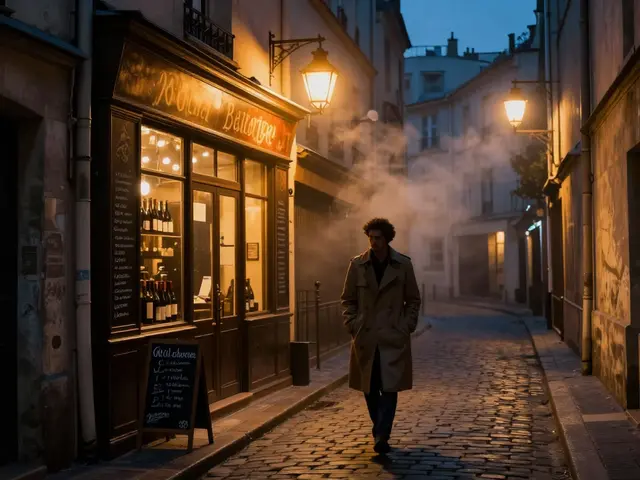
London doesn’t just sleep when the sun goes down. For culture lovers, the city’s nights are alive with jazz in basement clubs, silent film screenings in historic libraries, and late-night exhibitions where the crowd is quiet but the energy is electric. This isn’t about clubs with bottle service and DJ drops-it’s about places where art, history, and sound come together after dark.
Southbank Centre: Where Art Meets the River
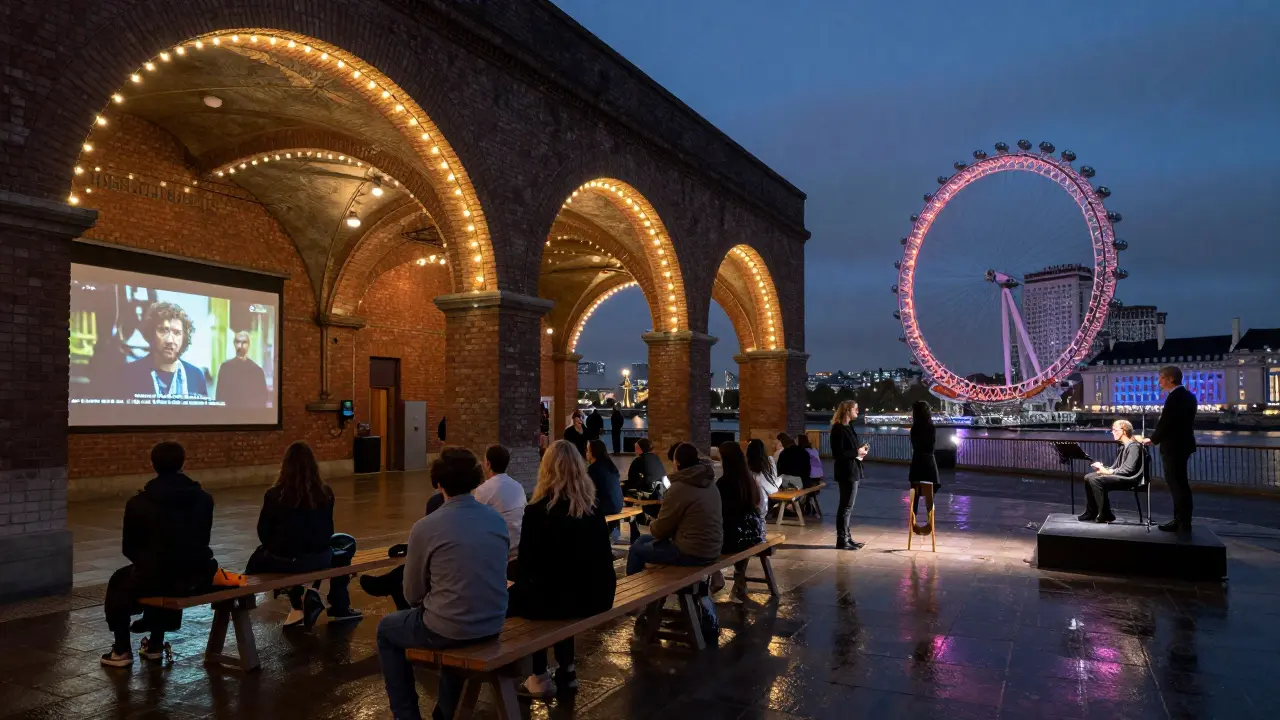
The Southbank Centre stays open late on weekends, turning its undercroft into a cultural hub. On Friday nights, you’ll find indie filmmakers screening short documentaries under the arches, followed by live poetry readings with poets from every corner of the UK. The Royal Festival Hall often hosts late-night concerts-classical, experimental, or world music-ending past midnight. No tickets? No problem. Many events are free, and the terraces offer views of the London Eye glowing against the Thames.
What makes this spot special is how it blends high culture with accessibility. You might sip a £4 glass of natural wine next to a composer from Nigeria or a retired librarian who’s been coming here since the 1980s. The space doesn’t feel exclusive-it feels alive.
Soho: The Heartbeat of Live Performance
Soho isn’t just about bars with neon signs. It’s where London’s most daring performance scenes thrive. The Barbican Theatre (just off Soho) often runs midnight shows of avant-garde theatre-think one-person plays about Brexit told through puppetry, or immersive experiences where you walk through a recreated 1970s council flat while actors whisper stories in your ear.
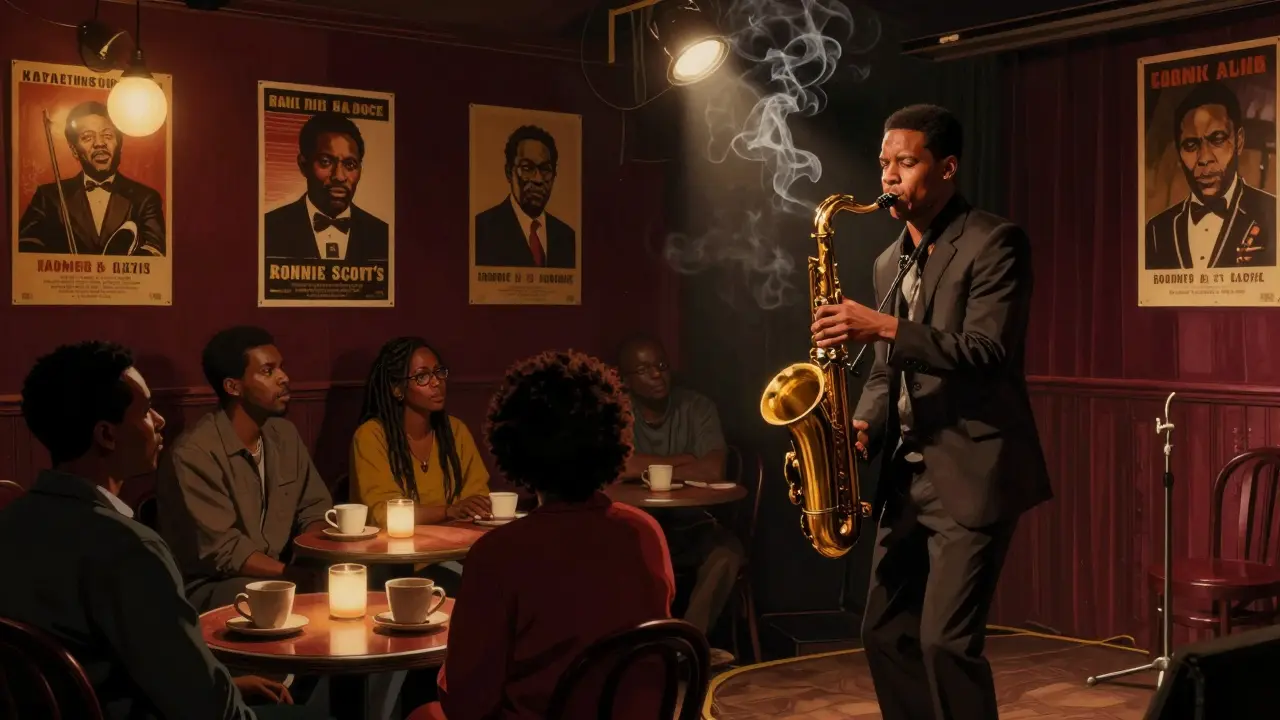
Down narrow alleys, you’ll find The Jazz Café and Ronnie Scott’s. Both have been around for decades, but they’re not museums. They book rising artists from across Europe and Africa. On a Tuesday night, you might hear a 22-year-old saxophonist from Lagos who just won a BBC Jazz Award. The crowd? Mostly locals who know the music isn’t for tourists-it’s for people who listen.
Camden: Hidden Galleries and Late-Night Book Clubs
Camden isn’t just about punk memorabilia and overpriced burgers. Head to the Camden Art Centre, which opens until 10 PM on Thursdays and Fridays. Their current exhibit? A collection of handwritten letters from 1920s suffragettes, displayed with audio recordings of modern activists reading them aloud. You can sit on a velvet couch, sip tea, and listen while the lights dim slowly.
Across the street, The Book Club hosts monthly late-night reading circles. No pressure to speak. Just bring a book you love, sit in a corner, and let someone else’s voice fill the room. Sometimes, a musician will play cello between readings. No cover charge. Just a quiet, warm space where ideas travel faster than alcohol.
Shoreditch: Digital Art and Silent Disco Museums
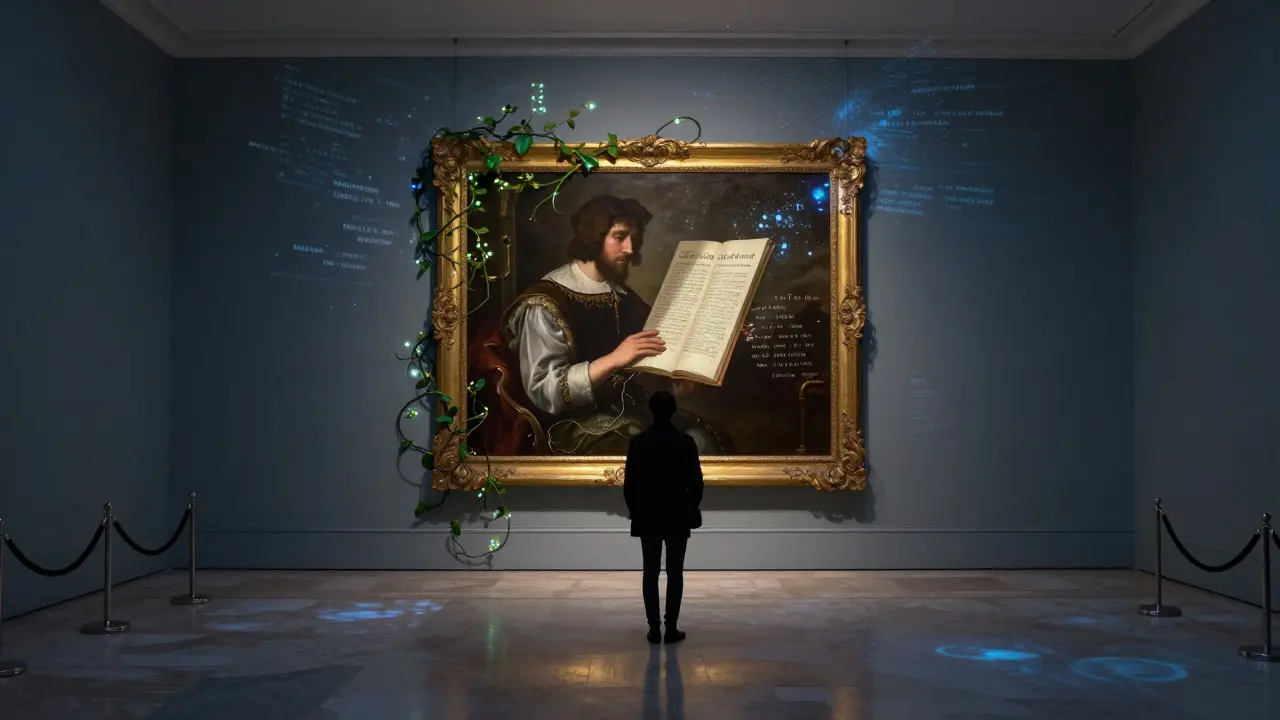
Shoreditch’s nightlife leans tech-savvy but never cold. The Victoria and Albert Museum runs After Hours events on the last Friday of every month. You get access to galleries after closing, with ambient lighting, curated playlists, and interactive projections that respond to your movement. Stand in front of a Renaissance painting, and digital vines grow around it. Walk past a Victorian dress, and it whispers its original owner’s diary entry.
Not into museums? Try Art on the Underground’s pop-up installations in Shoreditch Tube station. On winter nights, they project animated illustrations from British illustrators onto the tunnel walls. No one talks. Everyone stops. It’s the kind of moment you don’t plan for-you just happen into it.
Notting Hill: Bookshops That Stay Open Past Midnight
Most people think of Notting Hill as a tourist trap with pastel houses. But tucked between the cafes is The Bookshop, a 100-year-old independent that opens until 1 AM on Fridays and Saturdays. They don’t sell bestsellers. They sell first editions of obscure poetry, zines from feminist collectives, and self-published memoirs by retired librarians.
Every Friday, they host Open Mic & Oolong: a quiet hour where anyone can read their own writing. No microphones. No stage. Just a circle of chairs, a pot of tea, and a single lamp. The owner, a 78-year-old woman named Margaret, brings out homemade shortbread and says, “If you’re here, you’re already part of the story.”
Why This Matters
London’s cultural nightlife isn’t about being seen. It’s about being present. You won’t find influencers here taking selfies with cocktails. You’ll find people who’ve waited weeks to hear a new composer’s debut. Who’ve walked three miles to sit in silence beside a painting they’ve loved since childhood. Who’ve come to listen-really listen-to voices they’ve never heard before.
This isn’t nightlife as entertainment. It’s nightlife as connection. And in a city that moves fast, these spaces are the quiet anchors.
What to Bring
- Comfortable shoes-many venues are in old buildings with uneven floors
- A reusable cup-many places serve drinks in ceramic mugs, not plastic
- Open ears and an open mind-no expectations, just curiosity
- Cash-some smaller venues don’t take cards
When to Go
Weekends are packed, but weekdays are where the magic hides. Try Thursday through Saturday for the widest selection. Most cultural venues open late between 8 PM and 10 PM, and events run until midnight or later. Check local listings-many don’t advertise online. Look for flyers in bookshops, libraries, and station kiosks.
What to Avoid
Don’t go expecting loud music, dance floors, or VIP sections. If you’re looking for a club where you can shout over bass and snap photos with strangers, you’ll be disappointed. This isn’t that London.
Also, avoid venues that charge £30+ just to get in. The real cultural spots rarely do. If it feels like a ticket to a show, it probably isn’t one.
Is London’s cultural nightlife safe at night?
Yes, most cultural venues are in well-lit, busy areas like Soho, Southbank, and Shoreditch. They’re staffed, monitored, and frequented by locals who value quiet, respectful spaces. Avoid side streets after 2 AM, but stick to the main venues-they’re designed for safety and comfort.
Do I need to book tickets in advance?
For big venues like the Southbank Centre or V&A After Hours, yes-book online. But for smaller spots like The Book Club or Camden Art Centre’s Friday events, walk-ins are welcome. Many events are first-come, first-served, with no tickets needed. Always check their website or Instagram the day before.
Are these places expensive?
Most are affordable. Entry to galleries and readings is often free or £5-£10. Drinks at cultural bars cost £4-£7. Even Ronnie Scott’s has £12 cover on weekdays. Compare that to club bouncers charging £25 just to walk in. Culture in London doesn’t require a budget-it just needs curiosity.
Can I go alone?
Absolutely. In fact, many regulars go solo. These spaces are built for reflection, not social pressure. You’ll find people reading, listening, sketching, or just sitting quietly. No one will stare. No one will ask why you’re alone. You’re there for the art-and that’s enough.
What’s the best time of year for cultural nightlife?
Autumn and spring are ideal. Summer has festivals, but it’s crowded. Winter brings cozy indoor events-silent film nights, candlelit poetry, and heated reading rooms. December has special late openings at the British Library and the Wallace Collection. Avoid August-most venues close for a week or two.
Next Steps
Start small. Pick one place. Go on a Thursday night. Sit for an hour. Listen. Don’t rush. Let the space unfold around you. The best cultural nights aren’t planned-they’re stumbled into. And once you find one, you’ll start noticing them everywhere.