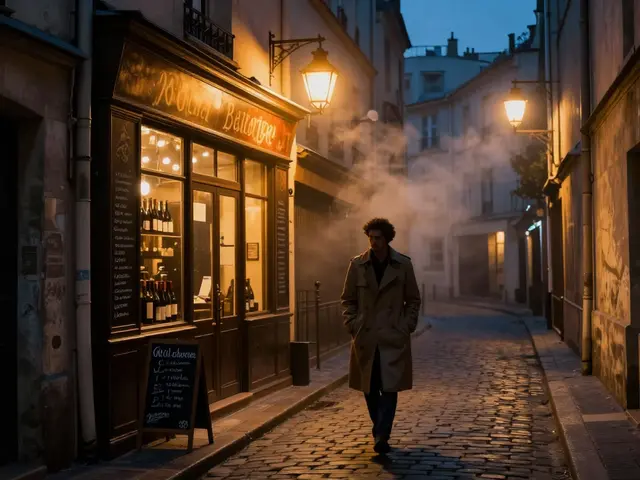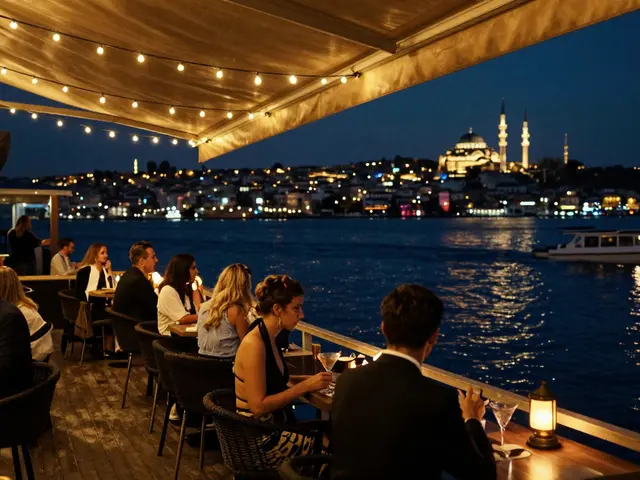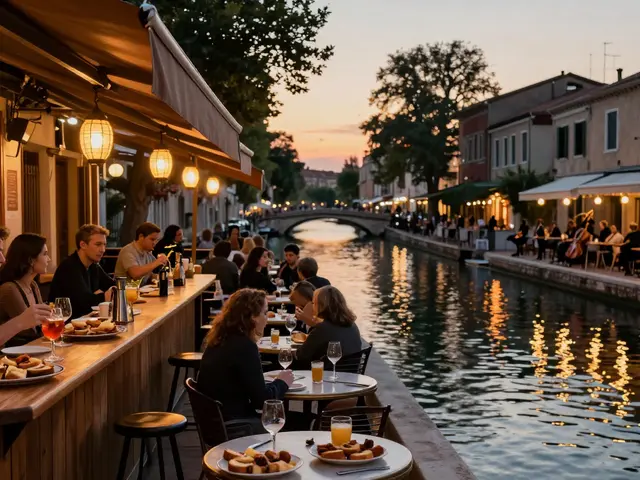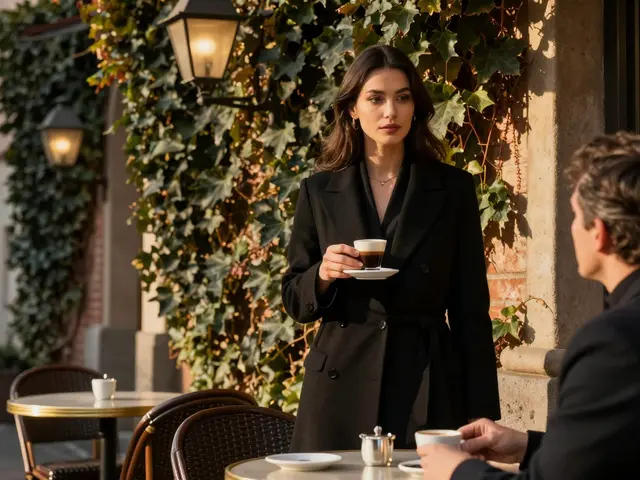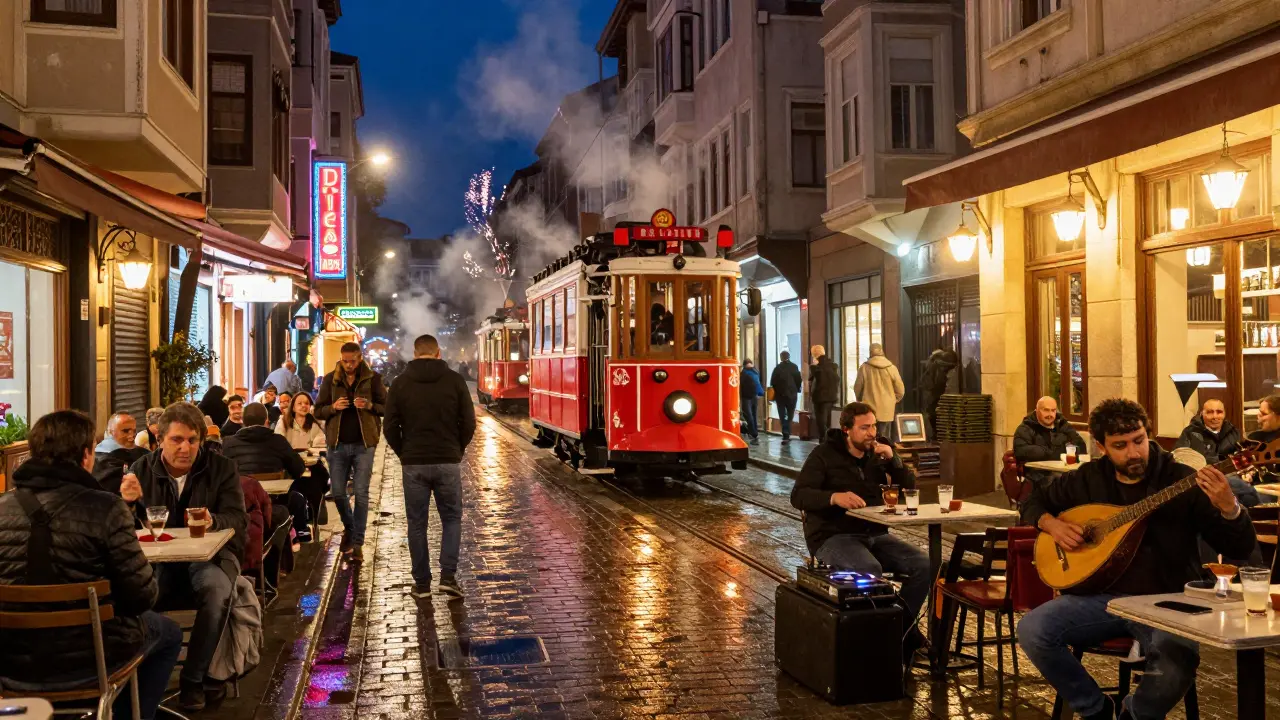
When the sun sets over the Bosphorus, Istanbul doesn’t sleep-it wakes up. The city’s nightlife isn’t just about drinking or dancing. It’s a sensory explosion: neon signs reflecting off dark water, live saz music drifting from hidden courtyards, bass thumping through basement clubs in Karaköy, and the smell of grilled kebabs mingling with cigarette smoke and perfume. This isn’t a tourist show. This is how Istanbul lives after midnight.
Where the City Comes Alive
Start in Beyoğlu. Walk down İstiklal Avenue after 10 p.m., and you’ll feel the pulse. Street performers play Turkish folk tunes beside DJs spinning house remixes. Locals sip raki at sidewalk tables, while tourists snap photos of the historic tram rolling past. But the real magic happens when you turn down the side streets. In Cihangir, tiny jazz bars like Bar 21 host live bands every night. No cover charge. No velvet ropes. Just a 70-year-old piano player who’s been here since the 80s and knows every song you’ve ever hummed.
Head down to Galata, and the energy shifts. The old stone towers here used to be watchtowers. Now, they house rooftop lounges like Karaköy Güverte, where you can sip a craft gin cocktail while watching ferries glide across the Bosphorus. The view isn’t just pretty-it’s historic. You’re looking at the same waters that carried Ottoman sultans, Venetian merchants, and now, backpackers with phone cameras.
Clubs That Don’t Care About Your Dress Code
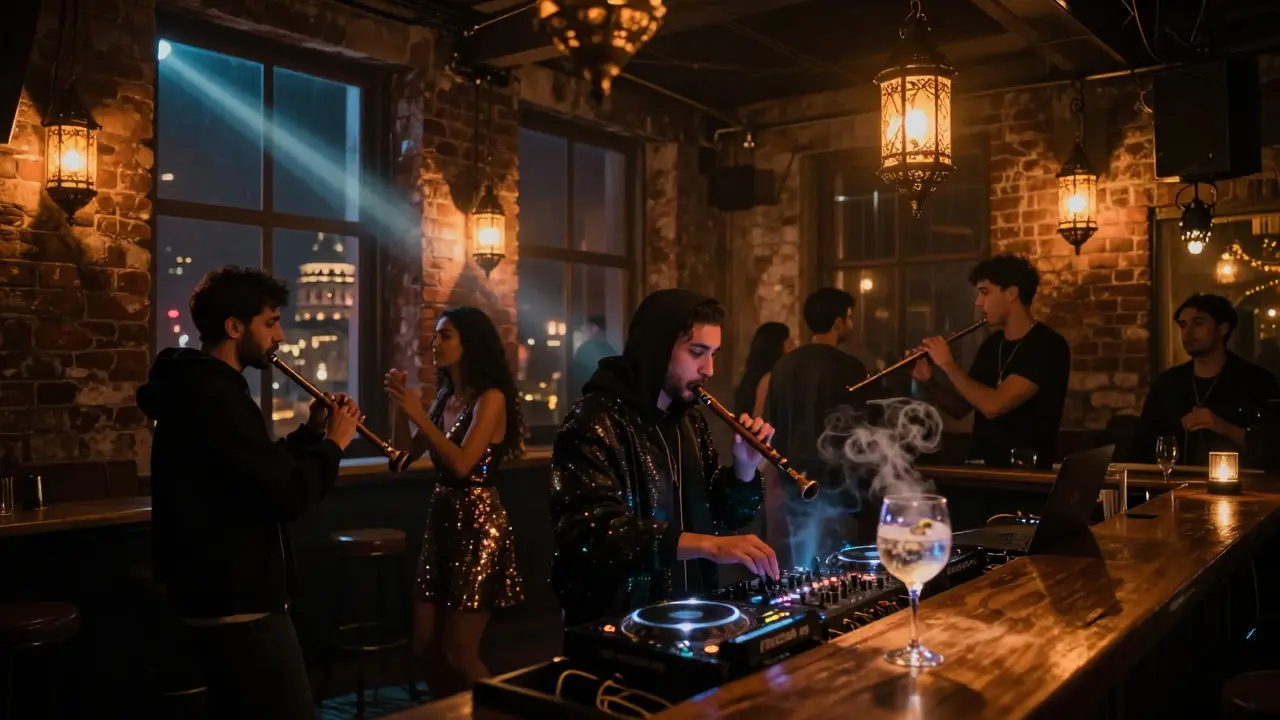
Istanbul’s club scene doesn’t follow the rules of London or Berlin. There’s no uniform. You’ll see women in sequined dresses next to guys in hoodies and sneakers. The music? It’s a mix. In Kasa, a converted 1920s warehouse in Karaköy, you’ll hear techno fused with Ottoman percussion. The DJ might drop a traditional ney flute sample right before a hard bass drop. It’s jarring. It’s brilliant.
Don’t expect 24/7 parties. Most clubs here open around midnight and don’t really get going until 2 a.m. They close by 5 a.m., sometimes earlier. Why? Because the city respects rhythm. The call to prayer from the nearby mosques doesn’t compete with the music-it harmonizes with it. That’s the Istanbul difference: ancient and modern don’t clash. They dance together.
The Hidden Bars and Speakeasies
If you want something quieter, find a speakeasy. Bar 1914 is tucked behind a fake bookshelf in a residential building in Nişantaşı. You need a password. You get it by texting a number from their Instagram. Inside, it’s dim, warm, and quiet. The bartenders make cocktails using local ingredients: rosewater syrup from the Black Sea, fig bitters from Anatolia, even honey from the Taurus Mountains. One drink costs 280 Turkish lira-about $9. It’s not cheap, but it’s not overpriced. You’re paying for craftsmanship, not branding.
Another gem: Whisky & Co. in Nişantaşı. No menu. Just ask the bartender what’s fresh. He’ll pour you a 20-year-old Scotch, then slide over a glass of ayran-infused whiskey he made himself. No one else in the city does this. He learned the recipe from his grandfather, who ran a distillery in Kayseri.
Music That Moves the Soul
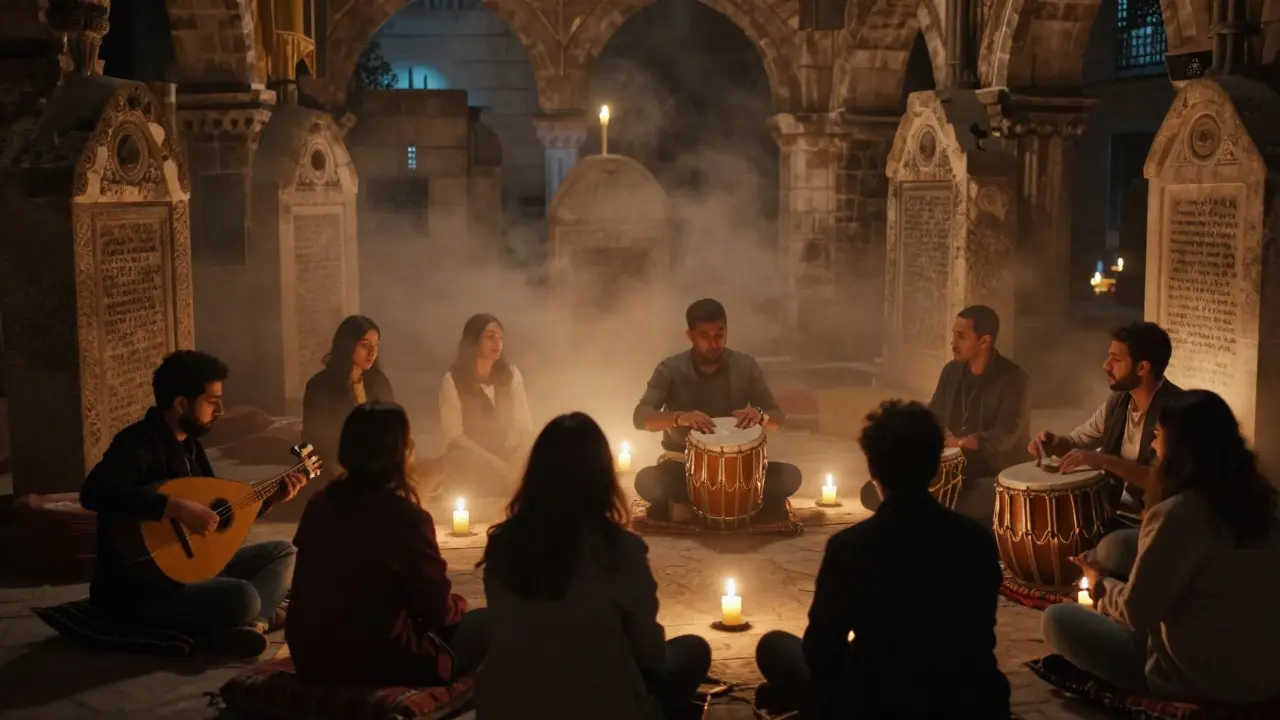
Music in Istanbul isn’t just entertainment. It’s memory. In the old quarter of Fatih, you’ll find Mezarlık Bar, a basement venue under a cemetery. Yes, really. The walls are lined with tombstones from the 1800s. The band plays ney, darbuka, and oud. The audience sits cross-legged on cushions. No one claps. They listen. Some cry. This isn’t a tourist attraction. It’s a ritual.
On weekends, the Istanbul Jazz Festival fills open-air venues like the Hagia Irene courtyard. You’ll hear American jazz legends share stages with Turkish fusion bands. One night in 2024, a saxophonist from New Orleans played a duet with a kanun player from Diyarbakır. The crowd stood silent for a full minute after the last note. Then they cheered like they’d just witnessed something sacred.
Food That Keeps the Night Going
Every great night needs great food. Istanbul’s street food doesn’t shut down when the clubs open. At 3 a.m., head to Çiya Sofrası in Kadıköy. It’s a small, unmarked place. No sign. Just a line of locals waiting for lamb kebabs with pomegranate molasses and grilled eggplant. They serve it on metal trays. You eat with your hands. It’s messy. It’s perfect.
Or try İstanbul Köfteci near Taksim. Their meatballs are made from a 70-year-old recipe. Ground lamb, pine nuts, dried mint. Served with pickled peppers and warm flatbread. One bite, and you’ll understand why people wait an hour for this. No one rushes. No one leaves. Not until the last bite is gone.
What You Won’t Find
You won’t find neon-lit strip clubs in Istanbul. You won’t find bottle service with $500 minimums. You won’t find drunk tourists yelling in English on the streets. The city has its own rhythm. It’s not wild-it’s deep. It’s not loud-it’s layered.
There are no “Istanbul nightlife tours” that tell you where to go. That’s intentional. The locals don’t want it commercialized. They want it alive. If you want to find the real scene, ask someone who lives here. Not a hotel concierge. Not a travel blogger. A barista. A taxi driver. A fishmonger who works until 2 a.m.
One man I met at a kebab stand in Üsküdar told me, "The night in Istanbul isn’t for showing off. It’s for remembering who you are when the world is quiet."
When to Go and What to Wear
Best months? April to June and September to November. Summer is too hot. Winter is too cold for outdoor terraces. But spring and fall? The air is crisp. The Bosphorus glows. The music carries farther.
Dress code? Comfortable shoes. You’ll walk a lot. Jeans, a nice shirt, maybe a light jacket. No suits. No flip-flops. Locals notice. You don’t need to look rich. You just need to look like you belong.
How to Stay Safe
Istanbul is safe at night. But like any big city, watch your belongings. Pickpockets target crowded areas like İstiklal. Don’t flash cash. Use cards. Keep your phone in your pocket. Don’t accept drinks from strangers. Don’t follow anyone into an alley-no matter how friendly they seem.
Public transport runs until 3 a.m. Metro, tram, and ferries are reliable. Taxis are cheap and metered. Use BiTaksi, the local app. It’s like Uber, but with more local drivers who know the backstreets.
Why This Isn’t Just Another City Nightlife
Istanbul’s night isn’t about escaping the day. It’s about continuing it. The same streets that buzzed with market vendors at noon now hum with musicians and poets. The same minarets that called prayer at dawn now watch over dancers and drinkers. This city doesn’t divide day and night. It blends them.
There’s no other place on earth where you can hear a 1,000-year-old chant in a club, then sip tea with a poet at 5 a.m. while the first light hits the Blue Mosque. That’s Istanbul. Not a party. A conversation.
Is Istanbul nightlife safe for solo travelers?
Yes, Istanbul’s nightlife is generally safe for solo travelers, especially in well-lit, popular areas like Beyoğlu, Karaköy, and Galata. Stick to busy streets, avoid isolated alleys after midnight, and use trusted transport like BiTaksi. Locals are often helpful, but always trust your instincts. Pickpockets exist, so keep valuables secure.
What’s the best night to experience Istanbul’s club scene?
Friday and Saturday nights are the busiest, especially in Karaköy and Beyoğlu. Clubs like Kasa and Babylon start filling up after midnight and hit their peak around 3 a.m. If you want something more local and less crowded, try Thursday nights-many underground venues host experimental music or poetry readings then.
Do I need to speak Turkish to enjoy Istanbul’s nightlife?
No, you don’t need to speak Turkish. Most bartenders and club staff in tourist areas speak basic English. But learning a few phrases like "Teşekkür ederim" (thank you) or "Ne var?" (What’s up?) goes a long way. Locals appreciate the effort, and it often leads to better recommendations-like hidden bars or live music spots no guidebook mentions.
Are there any free nightlife experiences in Istanbul?
Absolutely. Walk along the Bosphorus shoreline at night-it’s free and stunning. Many public squares in Beyoğlu host impromptu street performances. Check out the open-air concerts at the Hagia Irene courtyard during the Istanbul Jazz Festival-some events are free. Also, many small cafés in Cihangir play live acoustic music with no cover charge. Just bring curiosity.
What time do most clubs close in Istanbul?
Most clubs close between 4 a.m. and 5 a.m. Some stay open until 6 a.m., especially during festivals or holidays. But don’t expect all-night parties like in Ibiza or Berlin. Istanbul’s rhythm is slower. People don’t party until sunrise-they party until the music feels right, then they go home.
Can I find vegan or vegetarian options in Istanbul’s nightlife spots?
Yes. Many modern bars and restaurants now offer vegan mezze, grilled vegetable platters, and plant-based kebabs. Places like Vege in Nişantaşı and Yeniköy Vegan Kitchen are popular. Even traditional kebab spots like Çiya Sofrası have vegan options-just ask for "vejeteryen" (vegetarian). You’ll find more choices now than ever before.
If you’re looking for something deeper than a club crawl, Istanbul’s night offers it. Not as a spectacle. But as a story-written in music, flavor, and quiet moments between strangers who become friends by the glow of a single lantern.