Most tourists leave Milan by 8 p.m., thinking the city shuts down after dinner. They miss the real heartbeat of the place. Milan doesn’t sleep-it transforms. By 10 p.m., the streets of Brera come alive with laughter, clinking glasses, and basslines drifting from hidden doorways. This isn’t just a city that has nightlife. It’s a city that lives for it.
Where the Locals Go After Dinner
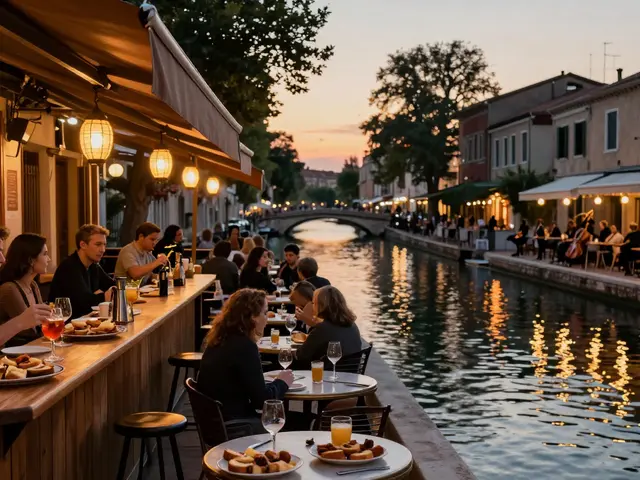
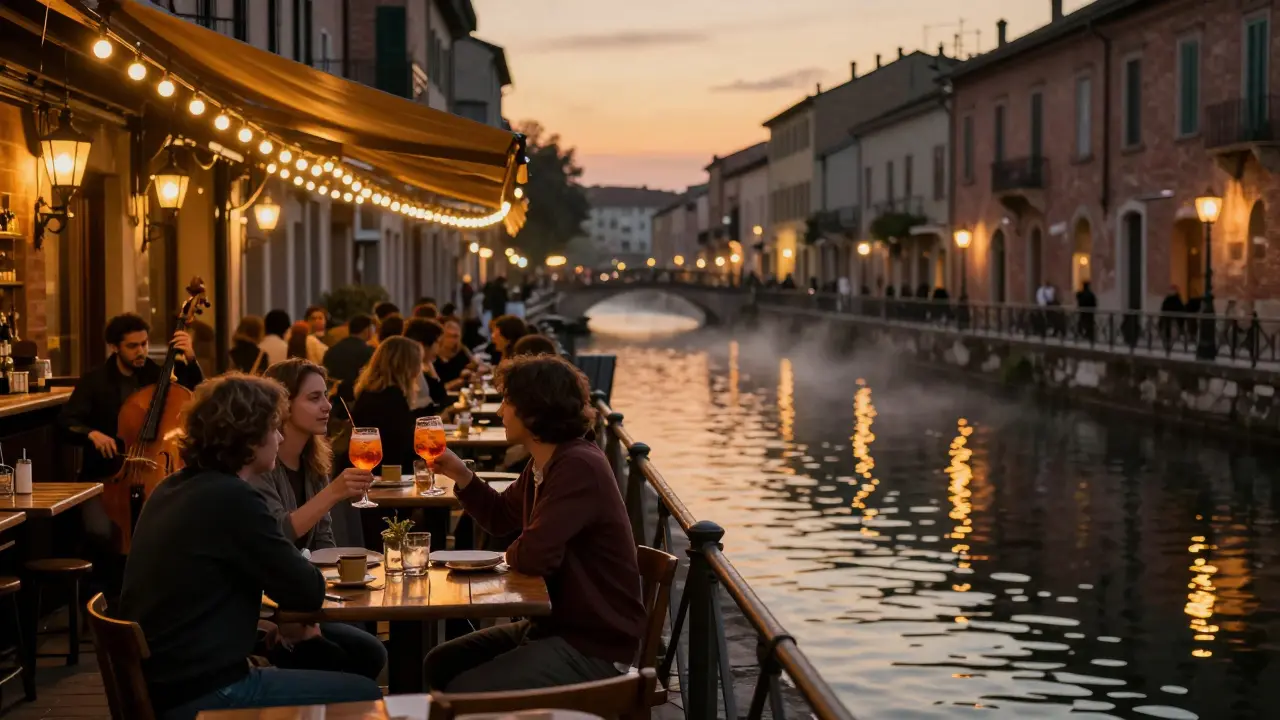
You won’t find the best Milan nightlife in the tourist brochures. The places that draw real Milanese after midnight aren’t the ones with neon signs or Instagram influencers posing in front of the Duomo. Start in Navigli. This canal-side district turns into a liquid party after dark. By 9 p.m., the waterfront is lined with people holding Aperol spritzes, leaning over wooden tables, talking over live jazz. Bars like Bar Basso and La Baita don’t just serve drinks-they serve history. Bar Basso invented the Negroni Sbagliato here in the 1970s. It’s still made the same way: gin, Campari, and sparkling wine, stirred slowly, never shaken.
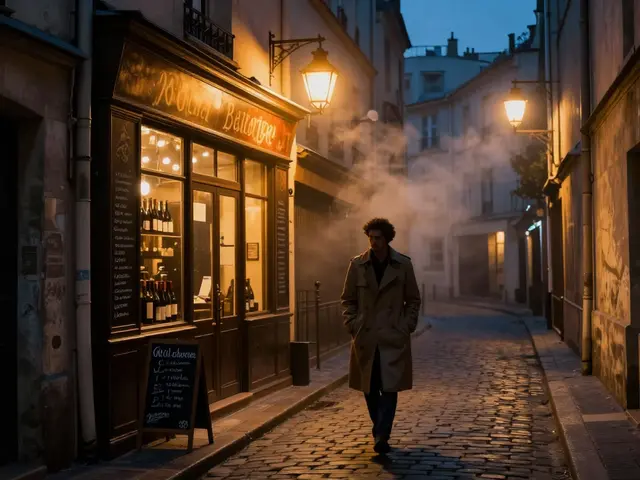
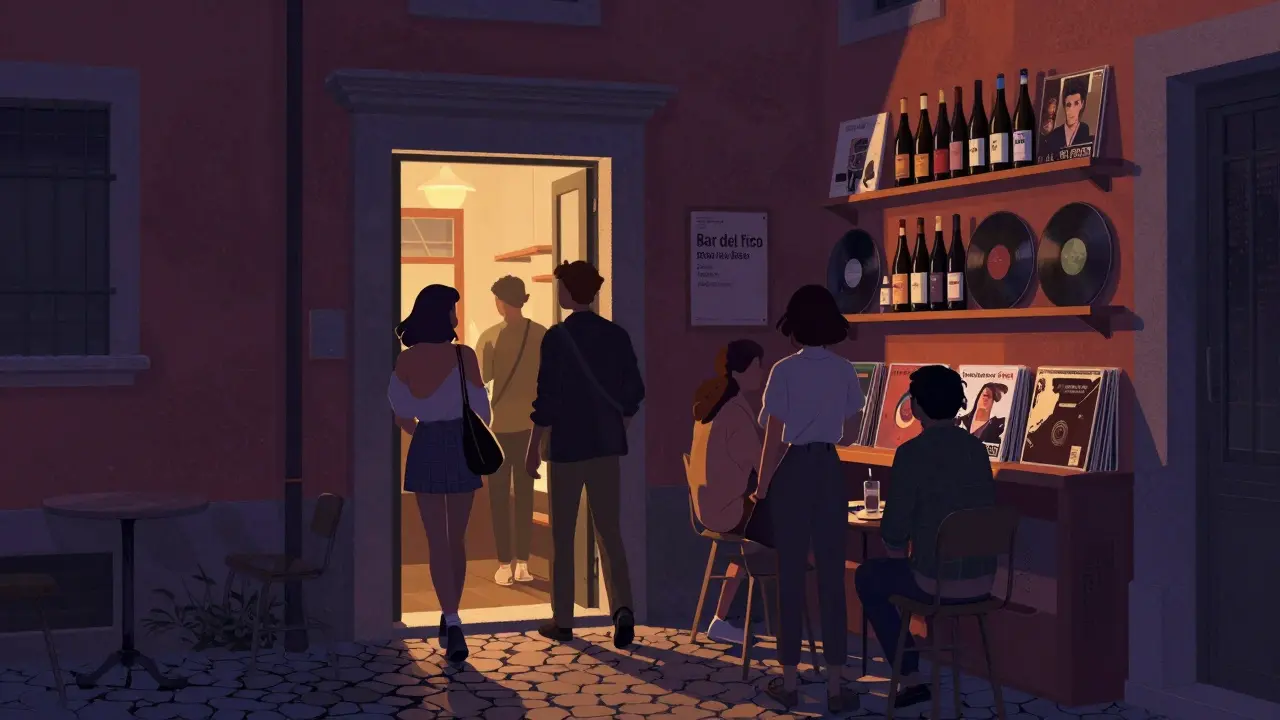
Don’t expect loud music or strobe lights here. Navigli is about conversation, slow sipping, and watching the water ripple under string lights. Locals come here to unwind, not to dance. If you want movement, walk ten minutes inland to Brera. The streets narrow, the buildings glow warm, and the bars get tighter. Bar del Fico is a tiny space with no sign, just a wooden door. Inside, you’ll find Milan’s designers, architects, and artists drinking natural wine from small-batch producers. The playlist? Italian indie rock from the 90s. The vibe? Like you’ve stumbled into a secret.
Clubbing Like a Milanese
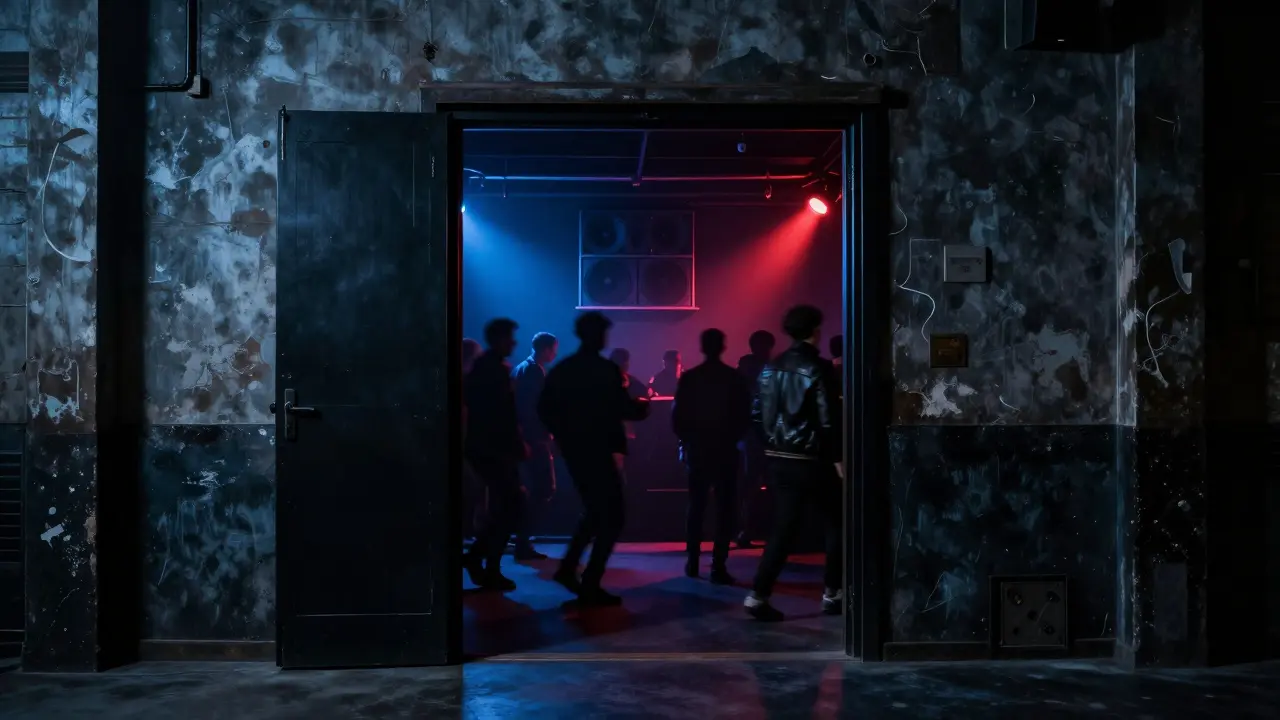
If you’re looking for clubs, forget the ones near Porta Venezia that cater to tourists. The real clubs in Milan are underground, unmarked, and often require a friend’s recommendation. La Scala isn’t the opera house-it’s a warehouse-turned-club near Lambrate. You won’t find it on Google Maps. You’ll need to text a local for the address. The door is black, the music is deep techno, and the crowd? Mostly Italians in black turtlenecks and vintage leather. No VIP section. No bottle service. Just a sound system that shakes your ribs and a dance floor that doesn’t empty until sunrise.
Another spot: Magazzini Generali. It’s not a club-it’s a cultural space that turns into a party on weekends. Think art installations, live electronic sets, and DJs spinning rare vinyl from the 80s and 90s. The crowd here is older-late 20s to 40s. They don’t come to be seen. They come to feel. The music is loud enough to drown out your thoughts, but not so loud you can’t talk. That’s the Milanese way: noise, but with intention.
Where to Drink Before the Club
Milanese nightlife doesn’t jump straight from dinner to dancing. There’s a ritual. First, aperitivo. Between 6 p.m. and 9 p.m., bars across the city offer free snacks with your drink. It’s not just peanuts and olives. At Spazio Erba in the Isola district, you get hot croquettes, handmade pasta, and grilled vegetables. For €12, you eat like you’re at a dinner party. The key? Go early. By 8:30 p.m., the line wraps around the block.
Another favorite: Bar Luce in the Fondazione Prada complex. Designed by Wes Anderson, it looks like a 1950s Italian café. The drinks are simple-espresso, gin and tonic, vermouth. The people? Milan’s art world elite. You won’t get in if you’re dressed like a tourist. No flip-flops. No baseball caps. Jeans and a blazer? Perfect.
What to Wear (And What Not To)
Milan doesn’t care if you’re rich. But it notices if you’re sloppy. Even in the most casual spots, people dress with care. You don’t need a suit. But you do need to look like you tried.
- Men: Dark jeans, clean sneakers or loafers, a fitted shirt or sweater. No tank tops. No shorts.
- Women: Tailored pants, a silk top, or a simple dress. Heels aren’t required, but flat shoes should look intentional-not gym shoes.
- Avoid: Baseball caps, hoodies, logo-heavy brands, flip-flops, touristy fanny packs.
It’s not about money. It’s about respect. Milanese people take pride in how they present themselves-even at 2 a.m. in a basement club.
The Hidden Gems You Won’t Find on Instagram
There’s a bar under a train bridge in Porta Genova called Il Covo. No sign. Just a flickering bulb. Inside, it’s dim, warm, and full of old vinyl records. The bartender speaks only Italian. He’ll ask if you want something strong or something slow. You say “slow.” He pours you a glass of amaro, adds a single ice cube, and says, “Drink it like you’re listening to a song.”
Another: Bar Reale in the Porta Ticinese area. It’s been open since 1948. The walls are covered in black-and-white photos of Milan’s musicians and poets. They serve Campari on tap. The owner, Gianni, is 82. He still pours drinks at midnight. Ask him about the old days. He’ll tell you about the jazz clubs that used to line the canals before the city got too polished.
When to Go and How Long to Stay
Milan’s nightlife doesn’t follow the rules of other cities. Dinner ends at 9:30 p.m. Aperitivo runs until 9. Clubs don’t fill up until 11. Most people don’t dance until after midnight. And the real party? It starts at 3 a.m.
If you’re only here for one night, pick one district. Navigli for drinks, Brera for conversation, Lambrate for clubs. Don’t try to do it all. You’ll end up exhausted and confused.
Weekends are packed. Thursday and Friday nights are quieter, but the vibe is better. Locals have more time to talk. The music is more experimental. The energy is slower, deeper.
What to Avoid
Don’t go to the clubs near the Duomo that advertise “happy hour” with dancers in glitter. Those are for tourists who want to take selfies with a DJ. The real scene doesn’t advertise. It whispers.
Don’t ask for vodka shots. No one drinks vodka in Milan unless they’re from Eastern Europe. Ask for an Aperol spritz, a negroni, or a glass of Barolo. If you don’t know what to order, say, “What do you recommend?” and let the bartender guide you. They’ll know better than any menu.
And never, ever try to haggle over prices. Milanese bars aren’t cheap, but they’re fair. A €12 aperitivo with real food? Worth it. A €25 cocktail at a trendy spot? If it’s made well, it’s worth it too.
Final Tip: Stay Late, But Stay Safe
Milan is one of the safest major cities in Europe at night. But that doesn’t mean you can be careless. Stick to well-lit streets. Avoid walking alone through empty industrial zones after 2 a.m. If you’re heading home, take a taxi or use Bolt. Uber doesn’t work here.
And if you get lost? Walk into any bar. Say, “Scusi, dove sono?” Most Italians will walk you to the nearest metro stop. They’ll even buy you another drink. That’s Milan after dark. It’s not just about where you go. It’s about who you meet along the way.
Is Milan nightlife expensive?
It depends. Aperitivo with food costs around €12-€15, which is fair for the quality. Cocktails in trendy spots run €14-€18. Club entry is usually free before midnight, then €5-€10 after. You can have a full night out for €40-€60 if you pick wisely. Avoid tourist traps near the Duomo-they charge double for watered-down drinks.
What’s the best night to go out in Milan?
Thursday and Friday nights are ideal. The crowds are bigger than weekdays, but not as packed as Saturday. You’ll find better music, more local regulars, and a slower, more relaxed vibe. Saturday is for tourists and people who want to be seen. Thursday and Friday are for those who want to feel the city.
Can I go out in Milan without speaking Italian?
Yes, but you’ll get more out of it if you learn a few phrases. “Un aperitivo, per favore,” “Quanto costa?”, and “Dove si va dopo?” go a long way. Most bartenders speak English, but they’ll smile more if you try. And don’t be afraid to point at a drink you like. Italians understand gestures.
Are there any quiet spots for a drink in Milan?
Definitely. Try Bar Basso in Navigli for a classic negroni, or Bar Reale for old-school charm. Spazio Erba has outdoor seating with ambient music. Bar del Fico in Brera is tiny and intimate-perfect for a late-night conversation. These places don’t blast music. They let you think, listen, and breathe.
What time do clubs close in Milan?
Most clubs stay open until 3 a.m. or 4 a.m. on weekends. Some, like La Scala, run until 5 a.m. But the real rule? The music stops when the crowd thins out. If you’re still dancing at 4 a.m., you’re probably in the right place.