Most tourists in Paris stick to the same five spots: the Eiffel Tower, the Louvre, Montmartre, Notre-Dame, and Champs-Élysées. But if you’ve been there before-or even if you haven’t-you’re missing the real soul of the city. The quiet courtyards, the family-run bakeries with secret recipes, the bookshops tucked behind arched doorways, the bridges where locals go to think. These aren’t just places. They’re experiences you won’t find on any official tourism map.
Where the Locals Eat Breakfast
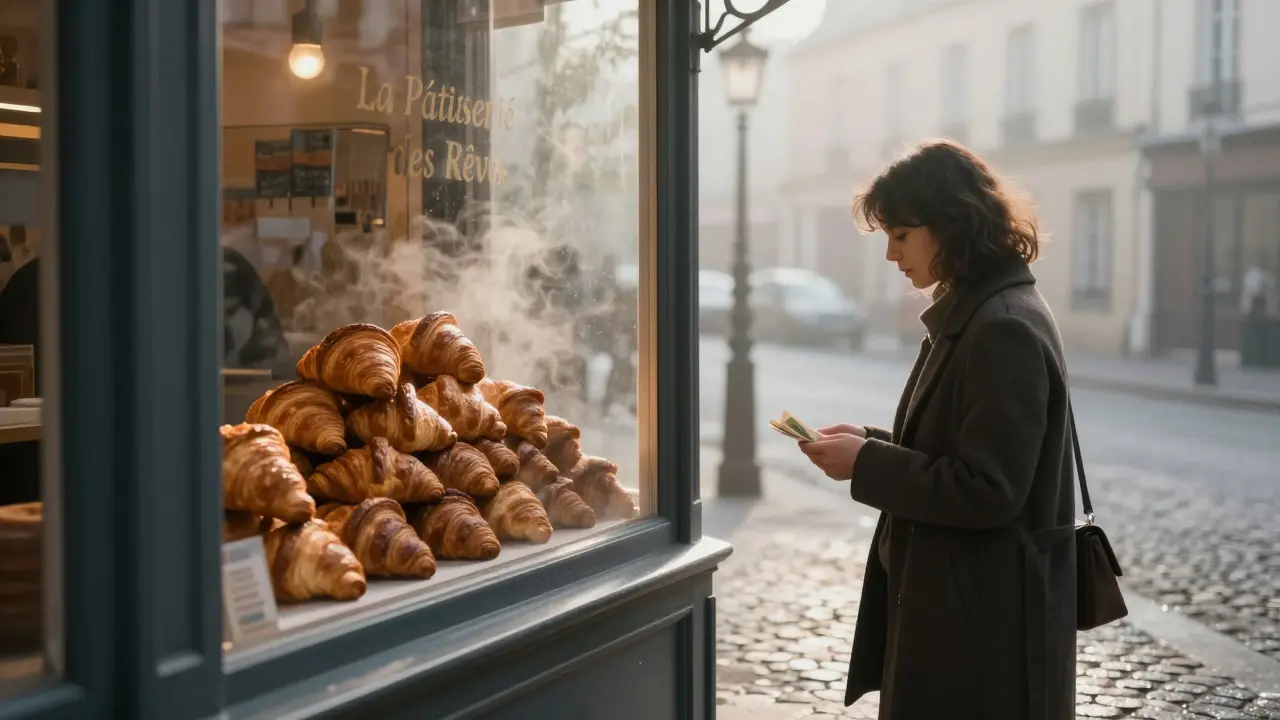
Forget the crowded cafés on Rue de Rivoli. Head to La Pâtisserie des Rêves in the 11th arrondissement. No sign. Just a small window with fresh croissants stacked like golden bricks. The owner, Marie, has been making the same almond croissant since 1998. It’s flaky, buttery, and just sweet enough. Locals line up at 7:30 a.m. on weekends. Bring cash. No card machines. She doesn’t care if you’re a tourist. She cares if you know how to eat a croissant properly-slowly, with your hands, no knife.
Or try Le Grenier à Pain in the 10th. Their pain aux raisins isn’t just filled with raisins-it’s layered with vanilla custard and a whisper of orange zest. You’ll taste the difference. It’s not about the price. It’s about the care. This isn’t mass-produced pastry. It’s a daily ritual.
The Secret Gardens You’ve Never Heard Of
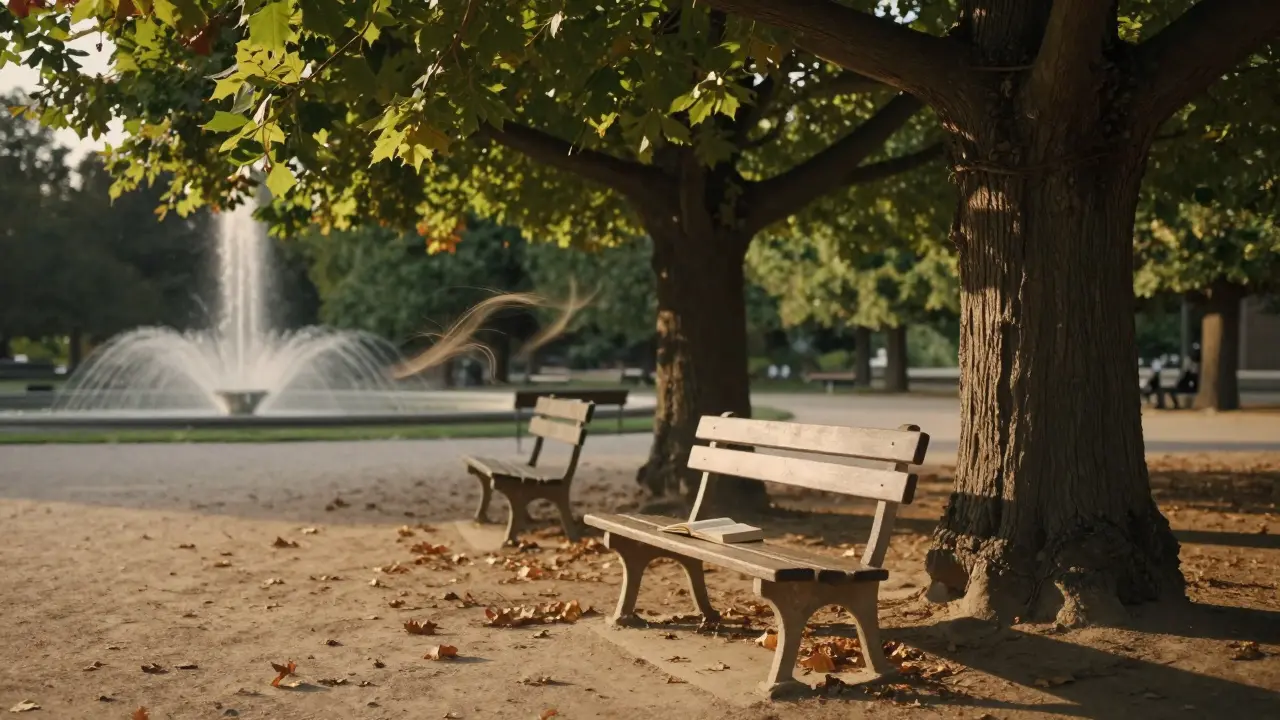
Paris has over 400 parks and gardens. Most people know the Tuileries. Few know the Jardin du Luxembourg’s hidden eastern corner, where the benches face away from the fountains and toward a row of ancient chestnut trees. Locals come here to read, nap, or write letters. No one takes photos. No one asks for permission. It’s just quiet.
Then there’s the Jardin des Plantes’s Alpine Garden. Tucked behind the natural history museum, it’s a maze of moss-covered rocks and rare alpine flowers. You’ll find snowdrops in February, even when the rest of the city is gray. It’s maintained by a team of three gardeners who’ve worked there for 30 years. They’ll smile if you ask about the plants. They won’t push brochures. They’ll just say, “That one? It blooms once every seven years.”
The Bookstores That Feel Like Time Machines
Shakespeare and Company gets all the attention. But walk three blocks north to Librairie Galignani, founded in 1822. It’s the oldest English-language bookstore in Europe. The floors creak. The shelves are crammed with first editions, out-of-print travel guides, and dusty French poetry. You won’t find a Kindle here. You’ll find a man in a tweed jacket who remembers every book you’ve ever bought-even if you came in once ten years ago.
Down in the 5th, Librairie du Passage is a tiny space with no Wi-Fi, no coffee, no music. Just books. And a cat named Colette who sleeps on the counter. The owner, Luc, doesn’t sell bestsellers. He sells books that were forgotten but shouldn’t be. He’ll hand you a 1954 edition of a travel diary by a woman who walked from Paris to Istanbul in 1947. “She wrote about the smell of bread in small towns,” he’ll say. “That’s what you’re looking for, isn’t it?”
The Bridges That Don’t Appear on Maps
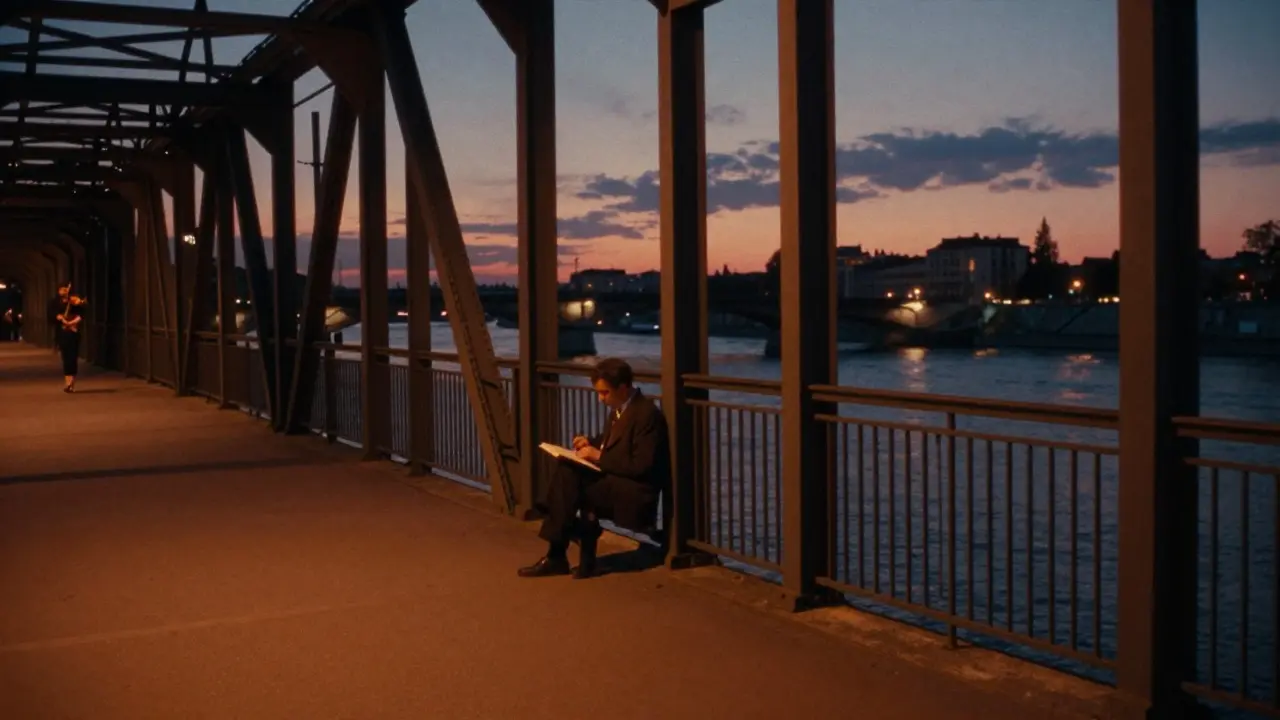
The Pont Alexandre III is postcard-perfect. But the real magic? The Pont de Bir-Hakeim. It’s a metal bridge with two levels. Walk the lower path and you’ll hear the Seine whispering under your feet. At sunset, the light hits the ironwork just right. Locals come here to kiss, to propose, to cry. You’ll see someone sitting alone with a notebook, writing. You’ll hear a violinist playing Debussy. No one asks for money. No one takes a photo. They just listen.
Then there’s the Pont de la Tournelle. It’s plain. No statues. No lights. But it’s the only bridge in Paris where you can see the full silhouette of Notre-Dame from both sides. At dusk, the cathedral glows. The water ripples. You’ll realize you’re standing in the exact spot where Victor Hugo once stood, watching the same light.
The Underground Music Scene No One Talks About
Paris has jazz clubs. But the real ones? They’re hidden in basements. In the 18th, under a laundromat, is Le Caveau de la Huchette-not the tourist trap, but the one behind it. A narrow staircase. A single bulb. A saxophone player who’s been playing the same tune since 1978. You’ll sit on a stool that’s been repaired five times. The wine is cheap. The air smells like old wood and cigarette smoke. No one claps too loud. No one takes videos. You just listen. And when the song ends, you don’t say “bravo.” You just nod. That’s the rule.
In the 13th, there’s a room above a noodle shop where a 78-year-old woman plays the accordion every Thursday. She doesn’t advertise. She doesn’t post online. She just shows up. People come from all over the city. Some bring their grandparents. Some come alone. No one knows her name. But everyone knows the song she plays: “La Vie en Rose,” slowed down, like a memory.
How to Find These Places-Without a Tour Guide
You don’t need a fancy escort. You need curiosity. And a few simple rules.
- Walk without a destination. Let your feet decide.
- Look for places with no signs. If it’s easy to find, it’s not for you.
- Ask the person cleaning the sidewalk, the baker, the bus driver. Not the hotel concierge.
- Go early. Or late. Never at noon.
- Carry a small notebook. Write down names, smells, sounds. Not photos.
Paris doesn’t reveal itself to those who rush. It waits. It watches. It lets you find it when you’re ready.
What Not to Do
Don’t book a “private tour” that promises “secret spots” for €200. Those are just the same places with a louder guide. Don’t follow Instagram influencers to “hidden cafés” that are just new spots with a fancy latte art. Don’t trust apps that say “top 10 hidden gems.” If it’s on an app, it’s no longer hidden.
The real gems aren’t marketed. They’re passed down. Like a recipe. Like a story. Like a song played on a bridge at dusk.
Final Thought: Paris Isn’t a Postcard
It’s a living thing. It breathes. It changes. It remembers. The woman who sells chestnuts on the corner of Rue de la Santé? She’s been there since 1983. The man who fixes watches in the 6th? He still uses tweezers made in 1912. The bookstore owner who remembers your name? He doesn’t care if you’re rich or poor. He cares if you listened.
Paris isn’t about checking off landmarks. It’s about finding the quiet moments in between. The ones no one sells. The ones you have to earn.
Can I really explore Paris without a paid escort?
Yes, absolutely. Paid escorts or guided tours often show you the same places everyone else sees, just with a more polished presentation. The real hidden spots in Paris aren’t for sale. They’re found by walking slowly, asking locals, and paying attention to details-like the smell of fresh bread, the sound of a violin on a bridge, or the way light hits a cobblestone alley at sunset. Curiosity is your best guide.
What’s the best time of day to visit these hidden places?
Early morning (before 9 a.m.) or late evening (after 8 p.m.) are ideal. Most tourist spots are empty then. Cafés aren’t crowded, shopkeepers have time to talk, and the light is softer. The Jardin du Luxembourg at dawn, the Pont de Bir-Hakeim at dusk-these moments belong to locals and those who wait.
Are these places safe for solo travelers?
Yes. Paris is generally safe, especially in the neighborhoods where these hidden spots are located. Stick to well-lit streets at night, trust your instincts, and avoid isolated areas after midnight. Most of these places-bookstores, bakeries, quiet gardens-are in residential areas where people know each other. Locals are more likely to help you than harm you.
Do I need to speak French to find these spots?
No, but a simple “Bonjour” or “Merci” goes a long way. Most people in Paris speak some English, especially in tourist areas. But if you ask a baker, “C’est quoi votre croissant préféré?” they’ll smile and answer. People respond to effort, not perfection. A phrase in French shows respect. That’s often enough to open a door.
What should I bring to make the most of this kind of exploration?
A small notebook, a pen, and a pair of comfortable shoes. Leave the camera behind unless you’re taking one photo that truly moves you. Bring cash-many of these places don’t take cards. A reusable water bottle helps. And patience. The best moments in Paris don’t come on a schedule. They come when you stop looking for them.