Most people think of Istanbul’s nightlife as loud clubs, booming bass, and crowded dance floors. But if you’ve ever wanted to end your day with a slow sip of tea under string lights, or listen to a single oud note drift over the Bosphorus, you’re not alone. The city has a quiet side after dark-one that doesn’t scream for attention but whispers with charm.
Tea Houses That Stay Open Past Midnight
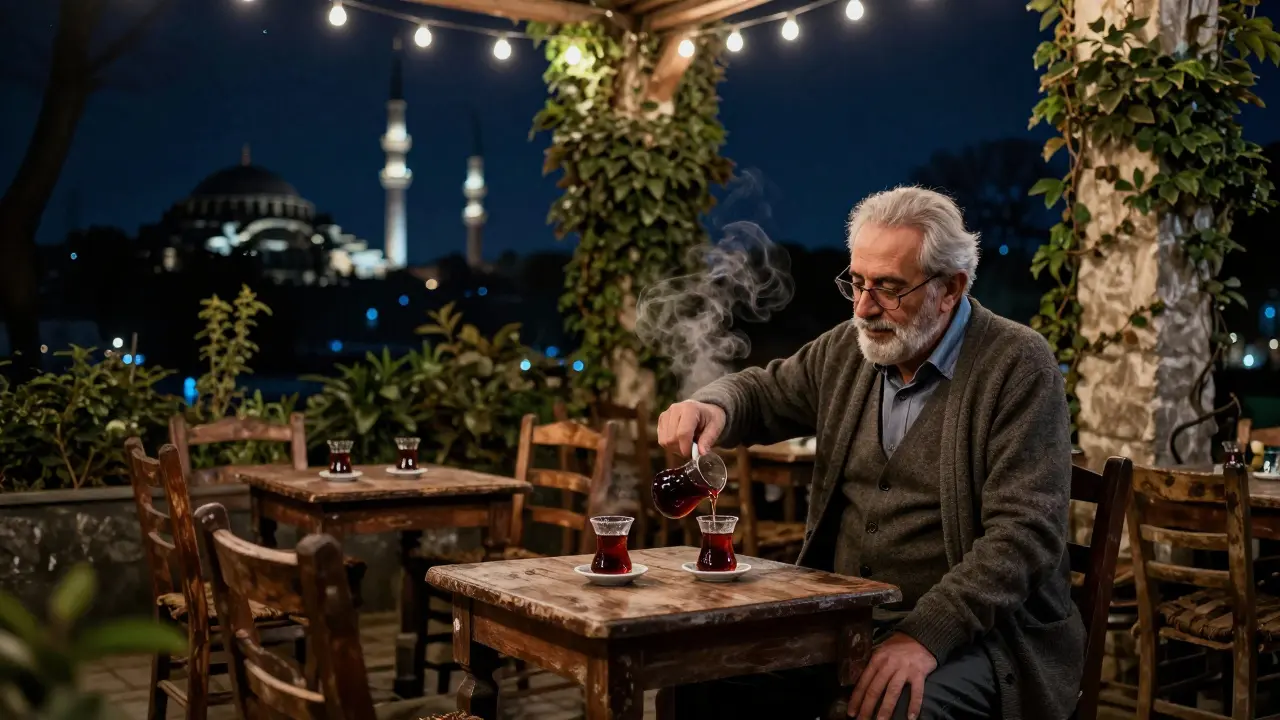
Head to Çiçek Pasajı in Beyoğlu, but skip the tourist trap restaurants. Walk just two blocks east to Çamlıca Çay Bahçesi, a hidden tea garden tucked into a quiet courtyard. The owner, a retired history professor, serves black tea in thin-rimmed glasses and lets the silence between sips speak louder than music. It’s not a bar. It’s not a café. It’s a place where time slows down. Locals come here after midnight to talk about books, not parties. The lights are low, the chairs are worn-in, and the only soundtrack is the occasional clink of a spoon against ceramic.
Boat Bars on the Bosphorus
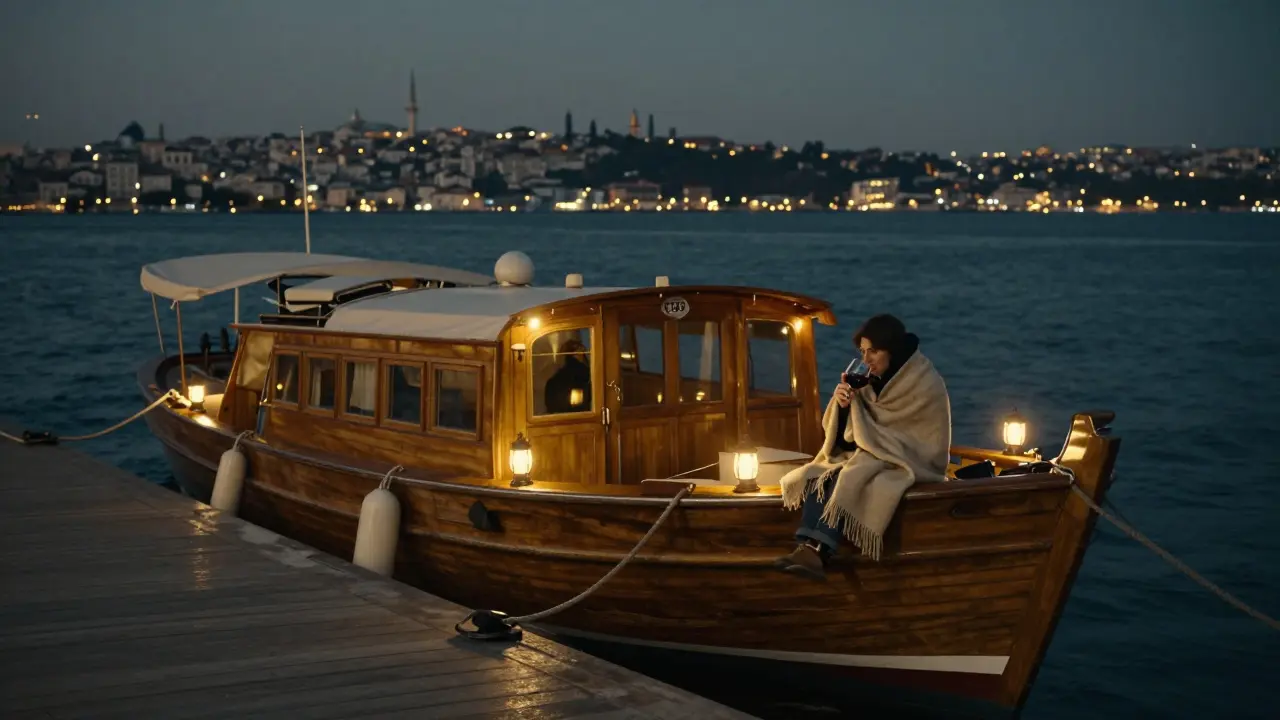
Forget the party boats with DJs. Try Boat 1907, a converted wooden yacht docked near Bebek. It’s open until 2 a.m., but you won’t hear a single beat. Instead, you’ll hear the lapping of water against the hull and the soft hum of conversation. The bar serves Turkish wine from small vineyards in Thrace and single-origin coffee brewed in cezve. You can sit on the deck, wrapped in a blanket, watching the lights of the Asian side flicker across the water. No one rushes you. No one asks you to buy another round. It’s the kind of place where you stay longer than you planned-not because you’re drunk, but because you’re at peace.
Live Music Without the Crowds
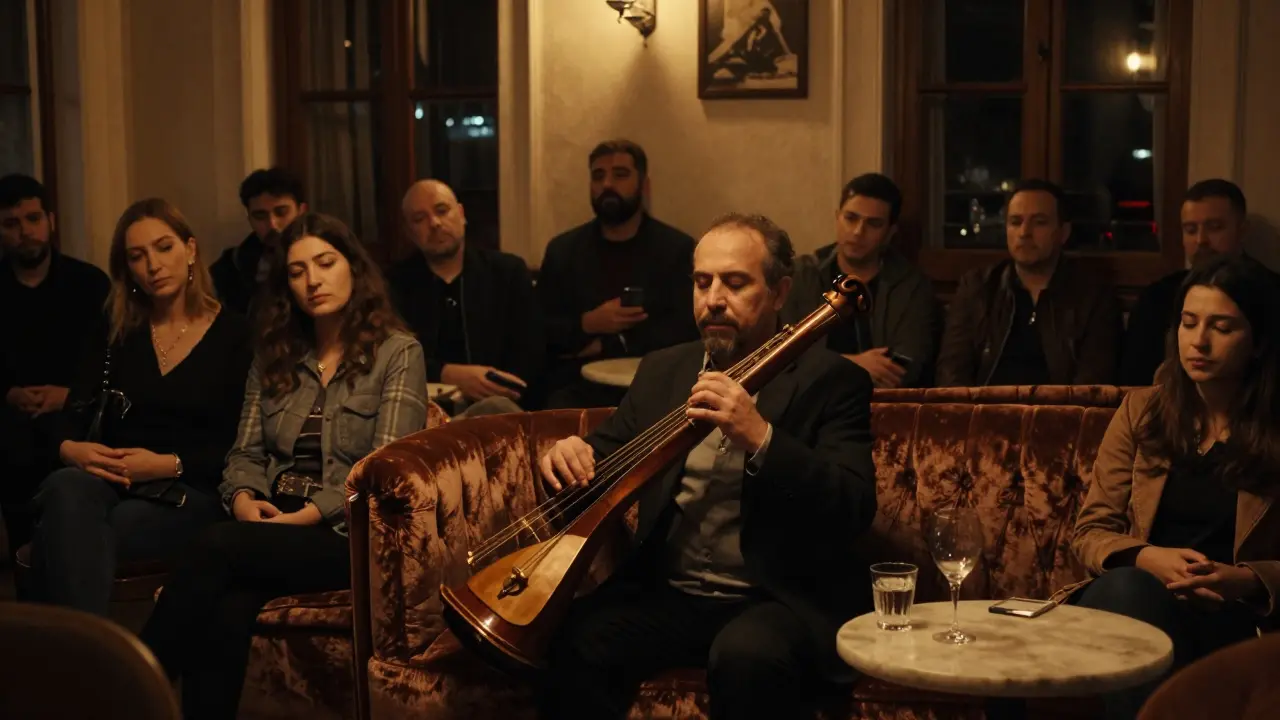
For real soulful music without the noise, go to İstanbul Jazz Center in Nişantaşı. They host intimate acoustic sets every Thursday and Saturday night. The room holds barely 60 people. The performers? Jazz pianists who’ve played with Herbie Hancock, ney players trained in Sufi traditions, and folk singers from the Black Sea region. The lighting is dim. The seats are plush. You can order a glass of raki, but most people just sip water and listen. No phone flashes. No shouting. Just the music, and the space between notes.
Roof Terraces with a View, Not a Vibe
Many rooftop bars in Istanbul are packed with selfie sticks and bottle service. But Asmalı Mescit, perched above the historic district of Cihangir, is different. The terrace overlooks the Golden Horn and the old mosques of Fatih. There’s no DJ. No neon signs. Just a small wooden bar, a few lanterns, and a menu of herbal infusions-chamomile with honey, mint with lemon verbena, and a local blend called gül şerbeti, made from rose petals. The staff remembers your name if you come back. And if you come alone, they’ll bring you an extra cup of tea without asking.
Bookshops That Turn Into Night Lounges
In Kadıköy, on the Asian side, İstanbul Kitaplığı opens its back room after 9 p.m. It’s a bookstore by day, but at night, the shelves become couches. There are no tables. Just floor cushions, low lamps, and hundreds of Turkish poetry collections. You can pick up a book by Nazım Hikmet or Orhan Veli and read aloud to yourself-or to a stranger who’s also quietly lost in verse. The owner plays ambient recordings of Istanbul rain and street sounds from the 1970s. No alcohol. No music. Just words, warmth, and stillness.
Why This Kind of Nightlife Matters
Istanbul doesn’t need to be loud to be alive. The city’s ancient rhythm has always included quiet hours-when the call to prayer fades, when the fish markets close, when the last ferry pulls away. These spots aren’t trendy. They’re timeless. They exist because people here still know how to sit with themselves, with others, and with the night.
Travelers often rush through Istanbul, chasing the next Instagram moment. But the city rewards those who slow down. You don’t need to dance to feel its pulse. Sometimes, all you need is a warm drink, a quiet corner, and the sound of the sea.
What to Bring
- A light jacket-even in summer, the Bosphorus wind gets chilly after midnight
- Cash. Most of these places don’t take cards
- Patience. Nothing happens fast here, and that’s the point
- A notebook. You might want to write something down
When to Go
These spots are quietest between 10 p.m. and 1 a.m. Weeknights are better than weekends. Avoid Friday and Saturday if you want true calm. Sunday nights are the most peaceful-locals are winding down, tourists are gone, and the city exhales.
How to Find Them
Don’t rely on Google Maps. Many of these places have no signs. Ask a local barista, a taxi driver, or a bookstore clerk: "Sessiz bir yer var mı?" (Is there a quiet place?) They’ll know. And they’ll point you in the right direction.
Are these places safe for solo travelers at night?
Yes. These spots are in well-lit, residential neighborhoods with low crime rates. Locals frequent them regularly, and staff are used to welcoming solo visitors. The calm atmosphere also means there’s little risk of rowdy behavior. Just use common sense-stick to places that feel welcoming and avoid isolated alleyways.
Do I need to make reservations?
Most don’t take reservations, and that’s part of the charm. You just show up. But if you’re visiting during the Istanbul International Jazz Festival or a major holiday, it’s smart to arrive by 9 p.m. to guarantee a seat. The places are small, so they fill up quietly-but never loudly.
Can I bring my kids?
Some places, like the tea houses and bookshops, are perfectly fine for older children. But places like Boat 1907 and the jazz center are designed for adults seeking quiet. If you’re traveling with young kids, stick to the tea gardens-they’re the most family-friendly.
Is there English spoken here?
Staff at these spots usually speak basic English, especially in tourist districts like Beyoğlu and Kadıköy. But many prefer to speak Turkish. A few words of Turkish-like teşekkür ederim (thank you)-go a long way. The experience isn’t about language; it’s about presence.
How much should I expect to spend?
You won’t pay more than 80 Turkish lira (about $2.50 USD) for a cup of tea or coffee. A glass of local wine is around 120 lira ($4). Most places don’t have cover charges. This isn’t expensive nightlife-it’s affordable peace.
Next Steps
If you liked the quiet side of Istanbul, try visiting during the spring or fall. Summer is too hot, and winter can be too cold for outdoor terraces. April and October offer the sweet spot: mild weather, fewer tourists, and longer nights to linger.
After you’ve had your tea under the stars, take a walk along the old city walls near Yedikule. No one’s there. Just you, the moon, and centuries of silence.